

Is your current procurement plan truly equipped to handle the complexities of today’s global marketplace?
Many organizations face this critical question. The world of manufacturing and supply is constantly shifting. Mastering these changes is key to staying ahead.
This guide is your friendly roadmap. We’ll show you how to develop a powerful approach to china sourcing. You can transform your procurement operations and drive sustainable growth.
Engaging with manufacturers overseas offers significant advantages. You gain access to competitive pricing and a vast network of skilled producers. However, it requires careful planning and smart thinking to maximize success.
Whether launching a new product line or scaling an existing one, understanding the global supply chain is essential. It helps enhance operational efficiency and maintain a competitive edge.
We will walk you through proven methods and practical tips. Learn how to identify reliable partners, manage quality, control costs, and leverage technology for continuous improvement.
Key Takeaways
- China remains a pivotal player in the global supply chain, requiring informed strategies.
- Effective planning is crucial to unlock the benefits of international manufacturing.
- Understanding regulatory and logistical landscapes is key to operational efficiency.
- Building strong relationships with suppliers ensures quality and reliability.
- Technology can significantly improve procurement and supply chain management.
- This guide provides actionable insights for companies of all sizes and experience levels.
Understanding the Chinese Sourcing Landscape
As international trade patterns shift, understanding China’s current role in production networks becomes increasingly important for success. The manufacturing ecosystem continues to transform, requiring updated perspectives.

Overview of China’s Role in Global Supply Chains
China remains the backbone of worldwide production networks. Its extensive infrastructure supports countless industries. The country’s manufacturing capabilities span from basic components to advanced technologies.
This evolution reflects broader economic development. Companies now access sophisticated production alongside traditional options. The landscape offers both challenges and opportunities.
Key Trends and Market Dynamics
Labor costs in coastal regions have risen significantly. This changes the traditional low-cost advantage. Many organizations are reassessing their approaches.
Government policies also influence the market. Tax structure revisions encourage higher-value production. These changes affect different commodity sectors uniquely.
Competition from other nations adds complexity. Vietnam offers attractive labor rates. Mexico provides logistical advantages for North American trade.
Despite these shifts, China’s manufacturing base remains essential. Its supplier networks and production capacity continue to serve global markets effectively. Understanding these dynamics is crucial for operational efficiency.
Developing a Robust Business Strategy china sourcing
Successful global procurement begins with a well-defined plan that aligns with your organization’s core objectives. This foundational step ensures every decision supports your overall vision.

Most organizations pursue international manufacturing partnerships for two primary reasons. Some focus on establishing long-term market presence to serve growing economies. Others prioritize immediate advantages from competitive production capabilities.
Setting Clear Objectives for Sourcing
Determining your primary goal is crucial. Are you building market access or seeking cost efficiencies? This choice influences supplier selection and relationship management.
Clear targets help organizations choose between direct factory partnerships and intermediary services. Document specific quality standards, timeline expectations, and volume requirements upfront.
Integrating Long-Term Market Presence and Short-Term Cost Advantages
Balancing immediate savings with future growth requires careful planning. Your approach should consider both opportunities and challenges in the procurement process.
Experience with overseas procurement provides valuable preparation. Many best practices apply universally across different regions and markets.
Align your international procurement plan with broader corporate goals. This ensures decisions support growth, expansion, and competitive positioning effectively.
Identifying and Evaluating Suppliers in China
Compiling a shortlist of credible candidates is the foundation of a strong and resilient supply chain. Many importers start their search on platforms like Alibaba or Global Sources. These sites are great for building an initial list of potential partners.
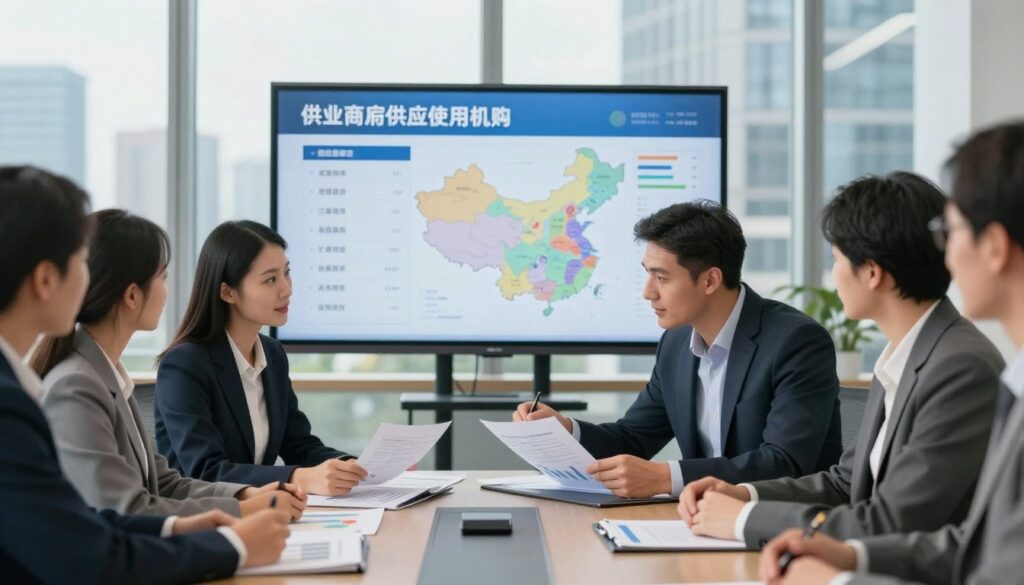
It’s vital to know who you’re dealing with. Are they a direct factory or a trading agent? This distinction matters greatly for your results.
“The most critical step is to select the right partner. This requires thorough verification, not just a quick online check.”
Online ratings can be misleading. A “Gold Supplier” badge often means a paid membership, not a verified quality standard. Always dig deeper than the profile page.
Verifying Supplier Credentials and Legitimacy
Once you have a shortlist, verification is key. Request official documents like business licenses and VAT invoices. Check the company’s registration with local authorities.
Analyzing a product sample is a non-negotiable step. It reveals the manufacturer’s attention to detail and ability to meet your specs. This protects you before a large order.
Balancing Quality and Cost Considerations
Every factory has different priorities. Some focus on low cost, while others excel at quality or speed. Your choice must align with your own project’s needs.
A good way to compare is to look beyond the unit price. Consider technical skill, communication, and flexibility. The cheapest option is rarely the best long-term partner.
| Supplier Type | Best For | Key Advantage | Potential Drawback |
|---|---|---|---|
| Direct Factory | Technical, custom products | Lower cost, better control | May have higher minimum orders |
| Trading Company / Agent | Standard, off-the-shelf goods | Easier communication, product variety | Less control, potentially higher prices |
Building a comprehensive evaluation framework is the best way to make a confident decision. This ensures you find a partner who can grow with you.
Navigating Quality Control and Cost Management
Managing both cost and quality is a delicate balancing act in any international procurement effort. The goal is to achieve value, not just the lowest possible price. Understanding this difference is key to avoiding costly mistakes.
Every factory has a minimum cost to produce an item well. Quotes that seem too good to be true usually are. Pressuring partners below this floor often leads to compromises.
These compromises can include lower-grade materials or skipped quality control steps. For items like electronics or cosmetics, poor quality can severely damage your brand’s reputation. It also carries significant regulatory risk.
Implementing Effective Quality Assurance Processes
A strong agreement is not enough. On-the-ground checks are essential. A thorough inspection process protects your investment.
Inspections should happen at key stages. This proactive approach catches issues early. Fixing a problem during production is far cheaper than after shipment.
| Inspection Stage | Primary Focus | Key Benefit |
|---|---|---|
| Pre-Production | Factory and material readiness | Prevents major mistakes before they start |
| During Production (DUPRO) | Early defect identification | Allows for real-time corrections |
| Pre-Shipment | Final product verification | Ensures specifications are met |
| Container Loading | Packaging, labeling, documentation | Final confirmation before goods leave control |
This “trust but verify” method is crucial. It builds strong partnerships while minimizing risk. A solid monitoring program ensures the final product meets all your expectations.
Effective Communication and Relationship Building
Clear communication forms the bedrock of successful international partnerships. Even with English-speaking contacts, cultural differences can create unexpected misunderstandings.
These issues usually stem from different interpretations rather than bad intentions. The solution lies in creating absolute clarity from the start.
Overcoming Language and Cultural Barriers
Document every detail meticulously. Include dimensions, materials, colors, and packaging requirements. Specify labeling, certifications, and testing standards too.
Use simple, unambiguous language in all written communication. Encourage your partners to ask questions when something seems unclear. This prevents assumptions from derailing your project.
Building Trust Through Clear Expectations
A well-prepared purchase order is your best defense against mistakes. Provide multiple reference points like samples, drawings, and quality specifications.
Explain performance requirements thoroughly. Describe what the product should do and how it will be tested. Get formal agreement by having a factory representative sign the specifications.
Building strong relationships matters greatly in this context. Personal connections often facilitate smoother transactions and better outcomes over time.
Direct Sourcing vs. Broker Partnerships in China
Navigating the choice between hands-on factory engagement and third-party representation requires careful consideration. Many organizations initially relied on intermediaries when they lacked local market knowledge.
This approach made sense for newcomers without established connections. Today, the landscape offers more options for effective supplier relationships.
Advantages of Direct Sourcing
Working directly with manufacturers provides significant cost benefits. Some intermediaries charge fees reaching 10-12%, reducing potential savings.
One organization achieved nearly 30% cost reduction by eliminating the middleman. Direct relationships also offer superior oversight of production processes.
For complex technical products, having your own team monitor factory operations ensures quality standards. This level of control is difficult to achieve through third parties.
Risks and Considerations When Using Brokers
While direct engagement has advantages, it demands substantial resources. Establishing local presence requires significant investment that may not suit every organization.
Professional sourcing services provide valuable alternatives for companies lacking technical expertise. These firms offer comprehensive support from identification through delivery.
Their in-country teams serve as your eyes and ears, ensuring products meet specifications. This representation can be particularly valuable for smaller operations.
| Approach | Best Suited For | Key Benefits | Potential Challenges |
|---|---|---|---|
| Direct Factory Relationships | Established organizations with technical expertise | Maximum cost savings, complete quality control | Requires significant local investment and management |
| Professional Sourcing Services | Companies new to the market or with limited resources | Comprehensive support, reduced operational complexity | Service fees, potential communication layers |
| Traditional Broker Agent | Simple products with standard specifications | Market access without establishment costs | Limited oversight, potential markup on costs |
Evaluate your specific needs considering product complexity and available resources. The right choice depends on your organization’s capabilities and goals.
Leveraging Technology and Continuous Improvement
Technology creates powerful bridges across continents for product development. Successful collaboration requires dedicated teams on both sides of the ocean working in sync.
Your technical experts need direct communication with factory engineers. Though language differences exist initially, professionals quickly find common ground when solving actual production challenges together.
Implementing Rigorous Quality Inspections
Regular factory visits provide essential verification of equipment and tools. Promises about capabilities often differ from reality without firsthand inspection.
Implement multi-stage inspection protocols for your goods. Review samples during development, monitor production runs, and conduct pre-shipment checks. This approach catches issues before final shipment.
Encouraging Innovation and Process Optimization
Many organizations hesitate to involve overseas partners in R&D due to intellectual property concerns. However, collaborative innovation is achievable with careful partner selection.
Evaluate potential manufacturers based on their processes, technologies, and innovation capabilities. Once selected, treat them as strategic partners with regular oversight.
Use digital tools for specification sharing and quality tracking. Regular video conferences maintain alignment and drive continuous improvement in your product quality.
Conclusion
Embarking on international manufacturing partnerships requires careful navigation of both opportunities and challenges. The approaches we’ve discussed provide a solid foundation for your efforts. Remember that successful outcomes depend on clear goals, thorough supplier evaluation, and strong quality control.
Always balance the advantages of competitive costs and manufacturing expertise against potential risks. Stay informed about market shifts and emerging alternatives in other regions. The global trade landscape evolves constantly, requiring ongoing adaptation.
For organizations new to this process, consider partnering with experienced professionals. They can provide valuable guidance and help avoid common mistakes. With the right approach and careful planning, you can build sustainable advantages while managing risk effectively.