

Are you having trouble finding reliable suppliers in China for your US company? It’s like searching for a needle in a haystack. The global market needs partnerships that offer quality, cost, and reliability.
US importers face big challenges when looking for manufacturing partners in China. The chance for cheaper production is huge, but working with bad suppliers can ruin your business. This guide will help you find and work with the best Chinese manufacturers.
Finding the right supplier in China is more than just looking for the cheapest price. It’s about a smart plan that includes research, verification, and good communication. Whether you’re small or big, knowing the Chinese manufacturing world is key to your success.
Key Takeaways
- Navigate the complexities of finding reliable suppliers in China
- Understand the unique challenges of international manufacturing partnerships
- Learn critical strategies for verifying supplier credibility
- Minimize risks in China sourcing for US companies
- Develop a systematic approach to supplier selection
- Protect your business interests in international trade
Understanding the Chinese Manufacturing Landscape
China is a giant in manufacturing, offering great chances for US companies. It has a wide range of places to make products, from high-quality to affordable ones.

Chinese manufacturing is more than just making things. Knowing the different areas for making products is key for good sourcing plans.
Regional Manufacturing Specializations
China’s regions have their own special areas for making things. This means businesses can find the right place for what they need:
- Guangdong Province: Electronics, toys, furniture
- Zhejiang Province: Textiles, small commodities, lighting equipment
- Jiangsu Province: Chemicals, advanced electronics, industrial machinery
- Fujian Province: Footwear, stone products
- Shanghai/Yangtze River Delta: High-tech products, automotive components
Trading Companies vs. Direct Manufacturers
When dealing with Chinese manufacturing, you’ll meet two main types of suppliers:
| Trading Companies | Direct Manufacturers |
|---|---|
| Intermediary suppliers | Direct production facilities |
| Better English communication | Lower production costs |
| Wide product variety | Direct quality control |
| Higher pricing | Potential language barriers |
US companies looking to source from China need to pick the right supplier. This depends on what they need, their budget, and how well they can communicate.
Choosing the right manufacturing partner is crucial. It affects the quality, cost, and success of your project.
Why US Companies Choose China for Sourcing
US companies see China as a key spot for making things cheaper. It’s not just about saving money. China offers a wide range of chances to make products.
There are many reasons why US companies pick Chinese suppliers:
- Unprecedented Production Capacity: China can handle both small and big orders very well
- Comprehensive supply chain ecosystems with readily available raw materials
- Technological advancements matching or exceeding Western manufacturing standards
- Extensive product diversity across multiple industries
China is cheap to make things in because of a few main reasons. Labor costs are much lower than in the US. This helps companies save money. China’s big industrial areas also help make things more efficiently.
“China’s manufacturing ecosystem represents a unique blend of technological innovation and economic efficiency” – International Trade Expert
US companies also like China’s strong infrastructure. It helps make things fast and flexible. Having parts made close by makes things easier to get.
Even with some problems, getting things made in China is still smart. It helps companies stay ahead in the global market.
Essential Preparation Before Starting Your Supplier Search
Starting your supplier search in China needs careful planning. Without clear product specs, you might face costly errors and tough talks.
Before you enter the Chinese market, you must have a solid plan. This plan should cover all the essential steps.
Defining Your Product Specifications and Requirements
Product specs are the base of good sourcing. US companies need to make detailed plans that avoid any confusion:
- Technical drawings with precise measurements
- Material quality standards
- Performance criteria
- Packaging requirements
- US compliance certification needs
Your product specs should be crystal clear and well-organized. A good Request for Quotation (RFQ) template makes talking to suppliers easier.
Setting Your Budget and Minimum Order Quantities
Planning your budget is key in sourcing from China. Knowing the total cost includes more than just making the product.
- Research market pricing
- Calculate shipping expenses
- Factor in import duties
- Determine break-even points
Chinese makers often ask for a minimum of 500 to 10,000 units. Asking for smaller orders can help manage risks and build relationships.
Top Online Platforms for Finding Chinese Suppliers
Finding reliable suppliers in China online can be tough for US importers. The internet has many tools to help businesses find partners in different fields.
Top online platforms for Chinese suppliers have strong search tools and checks. Each one has its own benefits for different business needs:
- Alibaba.com: The largest global B2B marketplace
- Global Sources: Specialized in electronics and consumer goods
- Made-in-China.com: Comprehensive supplier directory
- DHgate: Ideal for smaller quantity orders
When looking for reliable suppliers in China, knowing what each platform offers is key. Not all platforms are created equal. It’s important to check supplier profiles, transaction histories, and verification badges.
| Platform | Specialization | Verification Level |
|---|---|---|
| Alibaba.com | Diverse Product Categories | Gold Supplier Program |
| Global Sources | Electronics, Gifts | Verified Manufacturer |
| Made-in-China.com | Industrial Products | Trade Assurance |
“Digital platforms are just the starting point. Real due diligence goes beyond online profiles.” – Sourcing Expert
While online B2B platforms are great for initial connections, they’re not enough. Do more research, ask for samples, and talk directly to suppliers. This ensures the quality and reliability of your products.
Reliable Suppliers in China, China Sourcing for US Companies
Finding reliable suppliers in China needs a smart plan. US companies looking to source from China face a tough choice. The right steps can help find trustworthy suppliers and avoid risks.
Verification Methods for Supplier Credibility
Effective supplier verification includes several key steps:
- Validate business licenses through official Chinese government databases
- Confirm company registration details and legal status
- Use mapping services to verify physical factory addresses
- Conduct video calls to assess actual manufacturing capabilities
- Request recent photographs with dated documentation
Understanding Chinese Business Certifications
Chinese business certifications need careful checking. Not all certifications are the same. Important ones to look at include:
- ISO 9001: Quality management certification
- ISO 14001: Environmental management standard
- Industry-specific compliance certificates
- Factory audit reports (BSCI, Sedex, WRAP)
Always check if certifications are real by looking up numbers with the issuing bodies. Fake certificates are a big problem in China.
Thorough verification is the foundation of successful international sourcing partnerships.
Conducting Thorough Background Checks on Potential Suppliers
For US importers, checking suppliers in China is key. It helps build strong partnerships. A good check involves more than just a quick look.
Begin by looking into different sources:
- Do online searches in English and Chinese
- Use Chinese business databases and credit reports
- Look for legal issues or regulatory problems
- Make sure the supplier is properly registered and licensed
“Trust, but verify” – This age-old adage perfectly captures the essence of supplier background checks.
Checking a supplier’s financial health is also important. Ask for detailed financial reports and look at:
- Current credit scores
- How much they export
- The variety of their clients
- What they can produce and how well they can do it
Also, talk to professionals and industry contacts. They can offer great advice during your checks. Here’s how:
- Ask for references from other US companies
- Directly contact the supplier’s past clients
- Use services that specialize in checking Chinese suppliers
Doing deep background checks can lower risks. It ensures you work with real, trustworthy suppliers who can fulfill your needs.
Visiting Factories and Conducting On-Site Audits
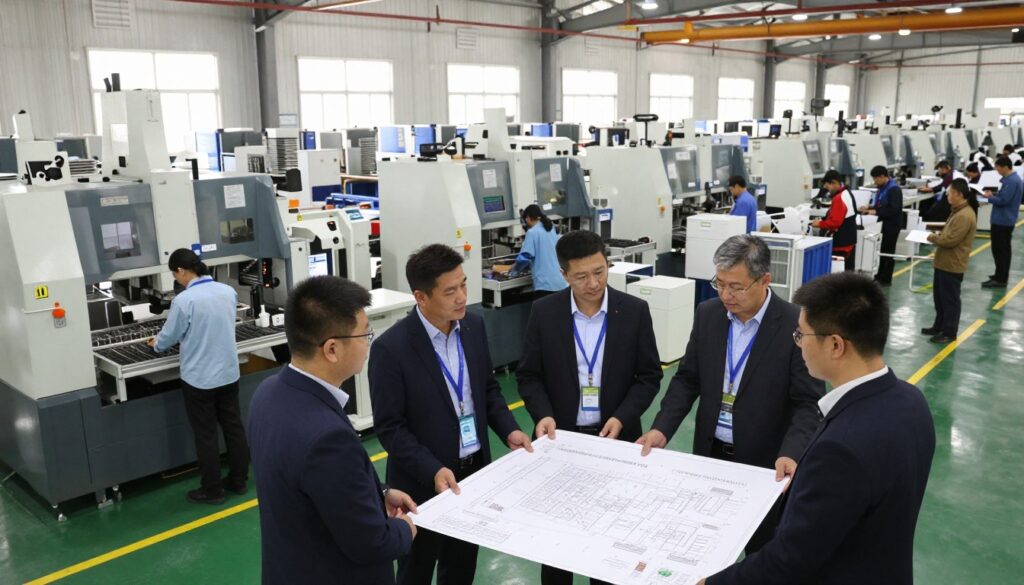
Factory audits are key to checking out suppliers in China. Even with digital tools, seeing factories in person is still the best way to learn. US buyers can find out a lot about how things are made by doing a thorough check.
Getting ready for a factory visit needs careful planning and a sharp eye. Experts see these trips as deep dives, not just tours.
Critical Elements to Examine During Factory Inspections
- Facility Organization and Cleanliness
- Production Equipment Maintenance
- Worker Safety Protocols
- Quality Control Processes
- Raw Material Storage Systems
When you do factory audits, it’s important to see the whole picture. A clean and well-kept place usually means the company is well-run and reliable.
“The true measure of a manufacturer is not in their promises, but in their actual working environment.” – Manufacturing Sourcing Expert
Strategic Questions to Ask During Your Visit
- What is your current production capacity?
- How do you manage quality control?
- What is your typical lead time for production?
- Can you accommodate custom manufacturing requirements?
- What training programs exist for your workforce?
Doing a good factory check needs good planning, understanding of the culture, and a methodical way. It’s a good idea to bring a translator to make sure you get everything right.
Evaluating Supplier Communication and Responsiveness
Good supplier communication is key to a strong business relationship. When you’re looking at Chinese manufacturers, how they talk can tell you a lot. It shows if they’re reliable and professional.
Quality communication with suppliers means:
- They answer quickly, usually in 24-48 hours
- They give clear, detailed answers to your questions
- They keep you updated on any production issues
- They can talk in many languages
But, there are warning signs to watch out for. These can mean trouble in your partnership. Look out for:
- Slow or no responses
- Answers that are vague or dodgy
- Information that doesn’t match up from different people
- Refusal to share important details
“Communication works for those who work at it.” – John Powell
Cultural differences affect how suppliers communicate. Chinese business ways might be different from what you’re used to. Being patient and setting clear expectations helps you deal with these differences.
Good communication is more than just speaking the same language. It’s about having a clear, reliable talk that helps your goals. And it builds a strong partnership for the long term.
Requesting and Analyzing Product Samples
Getting product samples from suppliers in China is key. It helps US importers check quality before they order a lot. This way, they can avoid risks.
- Existing Product Samples: Items the supplier already has
- Customized Samples: Made just for you
- Pre-Production Samples: What the final product might look like
- Production Samples: Shows what the supplier can really make
Sample Quality Assessment Criteria
Checking sample quality is important. Importers should have a clear plan to do this well.
| Assessment Category | Key Evaluation Points |
|---|---|
| Dimensional Accuracy | Compare measurements against original specifications |
| Material Quality | Evaluate consistency, durability, and performance |
| Finish and Details | Check surface quality, craftsmanship, and aesthetic elements |
| Functional Testing | Verify product performs intended functions correctly |
Getting samples from different suppliers is a good idea. It shows if they can make the same thing well. Use a form to compare samples from different places.
Pro Tip: Always test samples under real-world conditions to understand true product performance.
Remember to include sample costs in your budget. Paying for custom samples shows a supplier is serious and professional.
Negotiating Terms and Pricing with Chinese Manufacturers
When dealing with china sourcing for US companies, you need a smart plan. The Chinese market is all about smart talks and knowing the culture. This is key when you talk about contract terms.
Getting good deals from Chinese makers involves a few important steps:
- Research market rates well
- Know the supplier’s costs
- Build strong relationships
- Look for deals that benefit both sides
US companies should think about more than just the first price when negotiating. Building relationships is crucial for getting better deals. Suppliers like working with you for the long haul, not just for a quick profit.
Some top negotiation tips are:
- Get quotes from different makers
- Use the size of your order to your advantage
- Focus on the whole value of the relationship
- Be open to price changes based on the season
Good china sourcing for US companies means looking at more than just the cost. Talk about things like how fast you need the goods, quality, packaging, and shipping. Aim for partnerships that are good for both sides, not just about saving money.
Successful international sourcing needs patience, respect, and smart planning.
Always write down the deals you make in clear contracts. Verbal agreements don’t count much in global business, especially when cultures are different.
Understanding Payment Terms and Protecting Your Investment
For US companies doing business in China, it’s key to know about secure payment methods. The world of international trade is complex. It needs a smart plan to keep your money safe and avoid risks.
Choosing the right way to pay is vital when working with Chinese suppliers. Knowing about safe payment options helps your business run smoothly.
Safe Payment Methods for International Transactions
There are different payment ways, each with its own level of risk for US companies buying from China:
- Wire Transfer (T/T): This is a common method. It usually involves paying 30% upfront and the rest before the goods are shipped.
- PayPal: It’s not great for big business deals but does offer some protection for buyers.
- Avoid Western Union and similar services because they’re very risky for fraud.
Using Letters of Credit and Escrow Services
There are better ways to protect your money:
- Letters of Credit (L/C): This is a bank-backed payment that’s only made when the right documents are shown.
- Escrow Services: These hold the money until both sides agree the deal is done right.
- Alibaba Trade Assurance: It’s a trusted platform for safe international deals.
Here are some tips for US companies buying from China:
- Never pay the full amount upfront.
- Pay in stages, based on milestones.
- Choose secure payment methods with protection built in.
Planning your payments carefully is your best defense in international buying.
Quality Control and Inspection Protocols
It’s key to have strong quality control when dealing with suppliers in China. US buyers need a solid plan to ensure top-notch products and avoid risks from international buying.
Quality management includes several checks to safeguard your investment and keep product standards high:
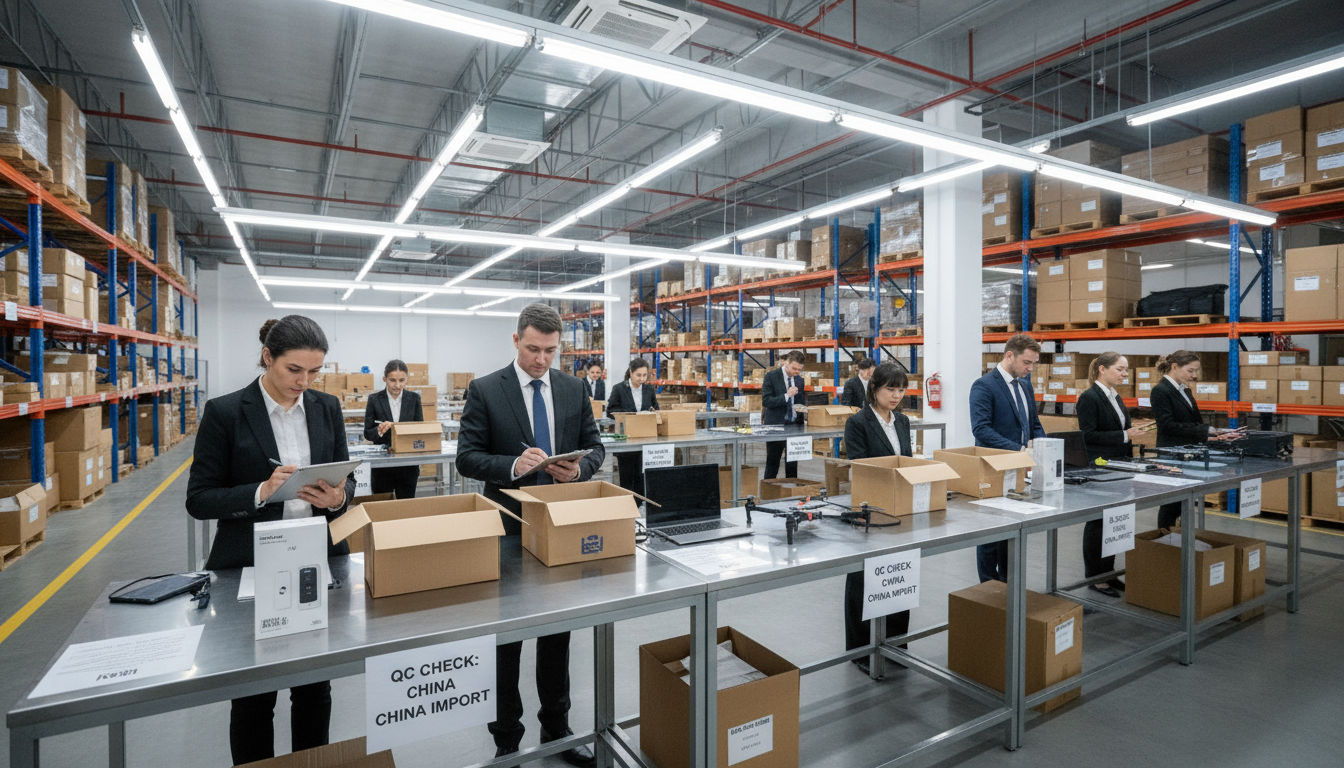
- Pre-Production Inspection: Make sure raw materials and parts are good before starting to make the product
- During Production Inspection: Check the product’s quality when 20-50% of the order is done
- Pre-Shipment Inspection: Do a detailed check when production is 100% finished
- Container Loading Inspection: Make sure the right products and amounts are being shipped
To handle quality control well with suppliers in China, think about using third-party inspection services like SGS or Bureau Veritas. They offer detailed checks using set quality control steps.
| Inspection Type | Focus Areas | Recommended Timing |
|---|---|---|
| Pre-Production | Material Quality | Before Manufacturing |
| During Production | Manufacturing Process | 20-50% Completion |
| Pre-Shipment | Final Product Evaluation | 100% Production Complete |
| Container Loading | Quantity and Packaging | Before Shipment |
Set clear quality standards using Acceptable Quality Limit (AQL) metrics. This way, you can share what you expect and keep product quality consistent with your Chinese partners.
Managing Intellectual Property Protection in China
Intellectual property protection is a big challenge for US companies in China. The legal system in China is different and needs careful planning to protect your ideas and technology.
US companies must know how China’s intellectual property laws work. China uses a first-to-file system. This means you need to register your trademarks and patents fast to protect your rights.
Trademark Registration Process
To protect your intellectual property, you need to act strategically. The China National Intellectual Property Administration (CNIPA) is where you start. Here are the main steps:
- Do a thorough trademark search
- File your trademark application in the right classes
- Prepare detailed documents about your brand
- Plan for 12-18 months for the registration process
Patent Protection Strategies
Protecting your intellectual property means using different types of patents. Each type is suited for different product needs:
| Patent Type | Protection Scope | Duration |
|---|---|---|
| Invention Patent | Technical Solutions | 20 Years |
| Utility Model Patent | Practical Technical Improvements | 10 Years |
| Design Patent | Product Appearance | 15 Years |
For US companies to succeed in China, they need strong contracts. Using NNN agreements (Non-Disclosure, Non-Use, Non-Circumvention) is key. These agreements help protect against intellectual property theft.
Proactive IP protection is not an option—it’s a necessity in the complex Chinese manufacturing landscape.
Using advanced strategies like distributed manufacturing and controlled component production can help. Also, keeping detailed records is important for protecting your intellectual property when sourcing from China.
Building Long-Term Relationships with Your Chinese Suppliers
Getting goods from reliable suppliers in China is more than just buying. It’s about building strong, lasting ties. In China, guanxi is key. It’s all about personal connections and trust.
To manage your suppliers well, you need a good plan:
- Keep talking to them all the time, not just when you need something
- Know and celebrate Chinese holidays like Chinese New Year
- Give them clear, detailed info about what you need
- Visit them often to show you care
Working together for both of your benefits makes your partnership stronger. This means:
- Ordering the same things regularly
- Telling them about your future plans
- Being understanding when they face problems
- Working together to make products better
Handling disagreements needs care. Try to find solutions that keep the relationship strong but also protect your interests. Always talk openly and with respect, knowing how important face is in Chinese business.
Building trust takes time, but it’s the foundation of successful international sourcing partnerships.
Check how your suppliers are doing by setting clear goals. Keep a few extra suppliers on hand for better prices and quality. If needed, end a partnership in a professional way to keep your good name in the global market.
Red Flags and Warning Signs to Avoid Supplier Scams
Finding reliable suppliers in China needs sharp eyes for warning signs. Successful US importers must spot key signs of untrustworthy partners. Be wary of requests for full payment upfront or prices way below market rates.
Preventing scams means checking business credentials carefully. Look out for suppliers who won’t show business documents, won’t let you visit their factory, or give different info each time you ask. Also, be cautious of generic product images on many sites, personal email use, and dodging technical questions.
To protect your investment, take small trial orders and ask for detailed documents. Do background checks and ask for video tours of the factory. Use secure payment methods with buyer protection to lower risks when buying from Chinese manufacturers.
Even with scam risks, many Chinese suppliers aim for long-term partnerships. By doing thorough research, being careful with communication, and verifying suppliers, US importers can find reliable partners. This way, they can build strong sourcing strategies.