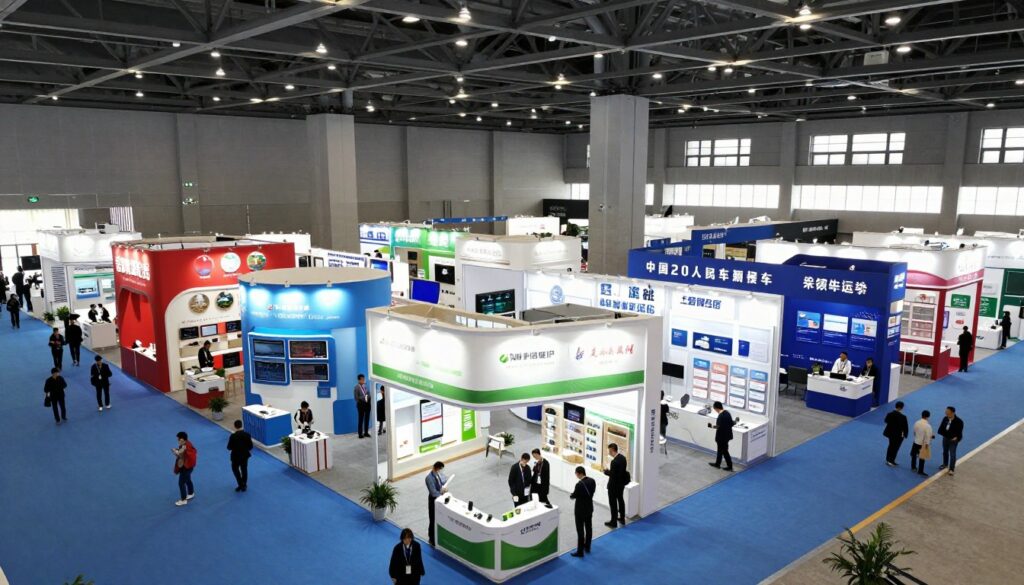

Whether you’re an importer searching for reliable manufacturers, an exporter looking to penetrate Asian markets, or a business professional aiming to understand industry trends, China’s trade fairs offer unparalleled access. This comprehensive guide reviews the top 10 most significant trade shows across China, providing you with the intelligence needed to make informed decisions about which events align with your business objectives.
1. Canton Fair – China Import and Export Fair

Overview and Significance
The Canton Fair represents the pinnacle of Chinese trade exhibitions. Established in 1957, this China import export event has evolved into the world’s largest comprehensive trade show. Held twice annually in Guangzhou during spring and autumn sessions, the fair attracts a global audience seeking everything from consumer goods to industrial equipment.
As China’s oldest and most prestigious import export fair, the Canton Fair maintains an unmatched reputation. The spring session typically occurs in April, while the autumn edition takes place in October. Both events span approximately three weeks, divided into three distinct phases that categorize products by industry sector.
Product Categories and Exhibition Phases
Phase One: Advanced Manufacturing
The first phase focuses on electronics, machinery, and vehicles. This segment attracts buyers interested in technological products, heavy equipment, and industrial solutions. Exhibitors showcase cutting-edge innovations alongside established manufacturing capabilities.
- Electronics and home appliances
- Machinery and industrial equipment
- Building materials and hardware
- Vehicles and spare parts
Phase Two: Consumer Goods
Phase two emphasizes consumer products, gifts, and home decoration. This phase sees the highest attendance from importers serving retail markets. The variety of consumer goods on display ranges from kitchenware to promotional items.
- Consumer goods and gifts
- Home decoration and furnishings
- Kitchen and dining products
- Stationery and office supplies
Scale and Attendance
Recent editions of the Canton Fair have recorded extraordinary participation numbers. The 137th session in spring 2025 attracted approximately 289,000 overseas buyers from more than 200 countries. The exhibition space spans over 1.18 million square meters across the Pazhou complex, hosting around 24,000 exhibitors per session.
This massive scale makes the Canton Fair an efficient platform for comparing multiple suppliers, negotiating terms, and conducting quality assessments within a compressed timeframe. The concentration of global trade activity creates an environment where business relationships accelerate dramatically.
Practical Attendance Strategy
Successful navigation of the Canton Fair requires strategic planning. Business professionals should identify which phase aligns with their product interests and allocate at least two full days per phase for meaningful engagement. Pre-registration through the official portal expedites entry and provides access to exhibitor directories.
Pro Tip: Create a prioritized target list of exhibitors before arrival. The Canton Fair’s official website offers exhibitor search functionality. Schedule appointments in advance to ensure access to key suppliers, as popular booths become crowded quickly.
Transportation and Logistics
The Pazhou Exhibition Complex connects directly to Guangzhou’s metro system via Line 8. Xingangdong and Pazhou stations provide immediate access to the venue. Most international hotels in Guangzhou operate shuttle services during fair periods. For maximum flexibility, arranging private transportation through professional services ensures reliable scheduling between accommodation, the venue, and potential factory visits.
2. China International Import Expo (CIIE)
Import-Focused Trade Platform
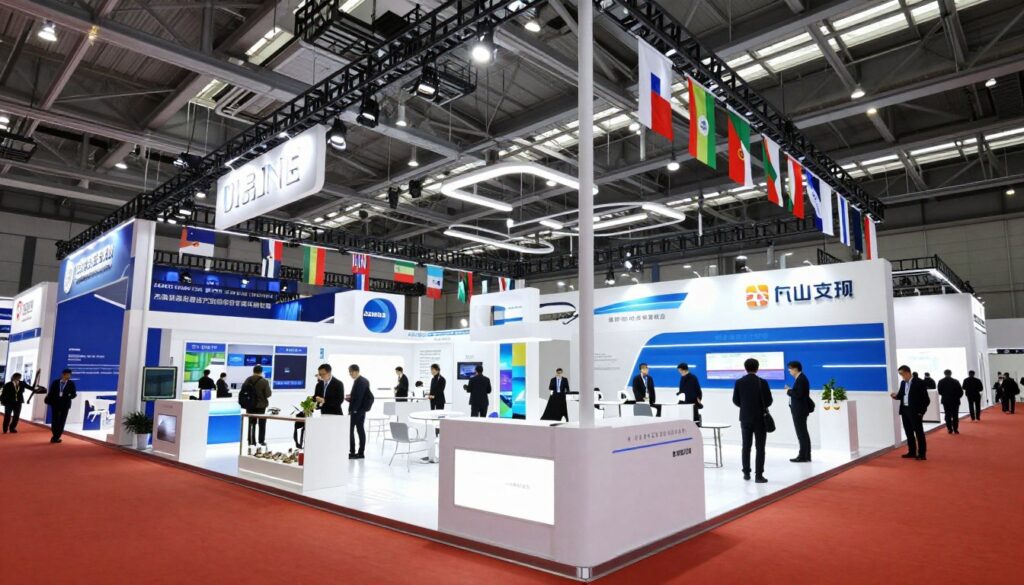
The China International Import Expo breaks from traditional export-oriented fairs by specifically targeting foreign companies seeking entry into the Chinese market. Launched in 2018 by the Chinese government, CIIE demonstrates China’s commitment to balanced trade and consumption upgrading. This annual event takes place in Shanghai each November.
Unlike the export-focused Canton Fair, CIIE positions international suppliers as exhibitors and Chinese enterprises as buyers. This reversal creates unique opportunities for exporters from around the world to access China’s vast consumer market and establish distribution networks with Chinese importers and retailers.
Exhibition Sectors
CIIE organizes exhibitions across six major sectors, each occupying dedicated halls within the National Exhibition and Convention Center. This sector-based layout facilitates targeted networking and enables buyers to concentrate on specific product categories.
- Food and agricultural products
- Automobiles and components
- Smart technology and equipment
- Consumer goods and fashion
- Medical equipment and healthcare
- Trade in services
Transaction Volume and Economic Impact
CIIE has consistently generated substantial business outcomes. The 6th edition in 2023 recorded tentative transaction deals worth USD 78.41 billion. The 7th edition in 2024 maintained this momentum with strong participation from international brands and Chinese procurement delegations.
Government-organized buyer groups attend CIIE, representing major Chinese retailers, hospital systems, and institutional purchasers. This official backing ensures serious procurement intent rather than casual browsing, increasing the quality of buyer interactions for exhibitors.
Country Pavilions and Cultural Exchange
A distinctive feature of CIIE is the Country Pavilion section, where nations showcase their culture, tourism, and signature products. These pavilions serve diplomatic and commercial purposes, introducing Chinese buyers to products and services from specific countries while building cultural understanding.
For businesses, country pavilions offer association opportunities. Companies can coordinate with their national trade promotion agencies to participate within these pavilions, benefiting from government support and enhanced visibility.
Strategic Participation for Exporters
Exporters should approach CIIE with prepared market entry documentation. Chinese buyers expect information about regulatory compliance, particularly NMPA registration for healthcare products, CFDA certification for food items, and CCC certification for electronics. Bilingual marketing materials and pro-forma contracts accelerate deal progression.
Market Access Support: CIIE organizers provide matchmaking services connecting exhibitors with qualified buyers. Register for these programs early as they fill quickly. The service includes pre-show introductions and scheduled meeting slots during the event.
3. China International Industry Fair (CIIF)

Advanced Manufacturing Focus
The China International Industry Fair positions itself as China’s premier platform for industrial technology and manufacturing equipment. Held annually in Shanghai each September, CIIF attracts manufacturers, integrators, and industrial buyers focused on automation, robotics, and production efficiency.
This trade show targets the industrial sector with laser precision. Unlike broader fairs, CIIF concentrates on factory automation, machine tools, metalworking equipment, industrial IoT, and new materials. The exhibitor and visitor base consists primarily of engineers, plant managers, and procurement specialists seeking technical solutions.
Industry Concentration and Attendance
The 2024 CIIF hosted over 2,800 exhibitors across 300,000 square meters of exhibition space. Attendance exceeded 205,000 visitors according to 2023 figures, with substantial representation from China’s manufacturing provinces including Guangdong, Zhejiang, and Jiangsu.
What distinguishes CIIF from other trade shows is the technical depth of conversations. Buyers arrive with specific production challenges and detailed technical requirements. Exhibitors must prepare for engineering-level discussions about specifications, integration protocols, and performance metrics.
Key Exhibition Zones
Robotics and Automation
Industrial robots, collaborative robots, automated guided vehicles, and complete production line automation systems dominate this zone. Live demonstrations showcase real-world applications.
Machine Tools and Metalworking
CNC machines, cutting tools, forming equipment, and precision measurement instruments attract buyers from manufacturing facilities seeking to upgrade production capabilities.
Industrial IoT and Digital Factory
Smart factory solutions, industrial software, sensor technology, and data analytics platforms address the digitalization of manufacturing operations.
Technical Documentation Requirements
Success at CIIF demands thorough technical preparation. Exhibitors should have comprehensive technical documentation available in Chinese, including detailed specifications, safety certifications (CE, UL, CCC), PLC compatibility information, and maintenance schedules.
Demonstrating return on investment is critical. Prepare case studies showing cycle time reduction, yield improvement, energy savings, or labor cost reduction. Chinese manufacturers increasingly prioritize ROI over initial equipment cost when making capital investments.
4. CHINAPLAS – International Plastics and Rubber Exhibition

Plastics Industry Epicenter
CHINAPLAS represents Asia’s largest and most comprehensive exhibition dedicated to the plastics and rubber industries. The event alternates between Shanghai and Shenzhen, occurring annually in spring. CHINAPLAS covers the complete plastics value chain from raw materials to finished products.
The exhibition attracts the entire plastics ecosystem: resin producers, compounders, machinery manufacturers, mold makers, processors, and brand owners. This comprehensive attendance creates networking opportunities across the supply chain, enabling vertical integration discussions and technology partnerships.
Exhibition Scale and Industry Representation
CHINAPLAS 2024 in Shanghai recorded impressive metrics: 383,000 square meters of exhibition space, 4,495 exhibitors, and 321,879 professional visitors. These numbers reflect the exhibition’s dominant position within Asia’s plastics industry.
The visitor composition skews heavily toward decision-makers from manufacturing companies. Approximately 70% of attendees hold purchasing authority, making CHINAPLAS highly efficient for business development compared to shows with higher casual attendance ratios.
Product Categories and Technologies
CHINAPLAS organizes exhibitions by processing technology and application sector. This logical structure helps visitors navigate efficiently toward relevant suppliers and technologies.
- Injection molding machinery and technologies
- Extrusion systems and blown film equipment
- Plastic raw materials and additives
- Recycling and circular economy solutions
- 3D printing and additive manufacturing
- Packaging machinery and materials
Sustainability and Recycling Emphasis
Recent CHINAPLAS editions have significantly expanded coverage of recycling technologies and sustainable materials. A dedicated zone showcases mechanical recycling equipment, chemical recycling innovations, biodegradable materials, and recycled content applications.
This focus reflects China’s growing environmental regulations and corporate sustainability commitments. Exhibitors offering solutions that reduce plastic waste, improve recyclability, or enable circular economy models receive heightened interest from Chinese manufacturers facing regulatory pressure.
Need Help Planning Your China Trade Fair Visit?
Our trade fair consultation service provides personalized guidance on which exhibitions match your business goals, plus assistance with registration, accommodation, interpreters, and factory visit arrangements.
5. Auto Shanghai – Shanghai International Automobile Industry Exhibition
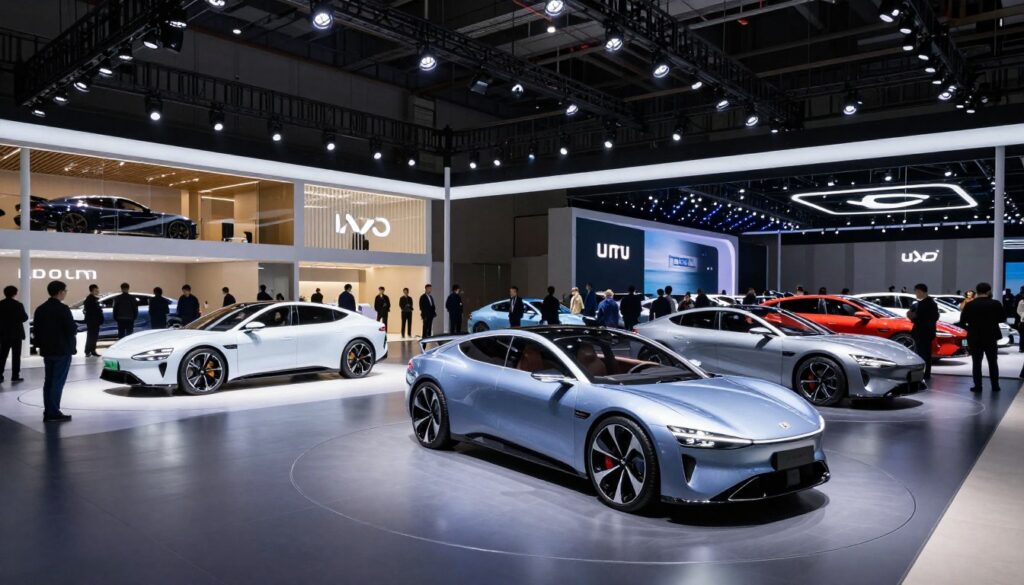
Automotive Industry Showcase
Auto Shanghai ranks among the world’s most significant automotive exhibitions, alternating biennially with Auto China in Beijing. The Shanghai edition emphasizes electric vehicles, intelligent connectivity, and autonomous driving technologies, reflecting China’s leadership in new energy vehicle development.
China has become the world’s largest automotive market and the dominant force in electric vehicle production. Auto Shanghai provides direct access to this ecosystem, attracting global OEMs, Chinese NEV manufacturers, Tier-1 suppliers, and technology companies developing software-defined vehicle platforms.
Exhibition Focus Areas
Auto Shanghai dedicates substantial space to new energy vehicles and supporting technologies. While traditional internal combustion vehicles maintain presence, the exhibition increasingly spotlights electric, hybrid, and hydrogen fuel cell vehicles alongside charging infrastructure and battery technologies.
Vehicle Segments
- New energy vehicles (BEV, PHEV, FCEV)
- Autonomous and semi-autonomous vehicles
- Connected car technologies
- Traditional passenger and commercial vehicles
Components and Systems
- Battery systems and thermal management
- Electric motors and power electronics
- ADAS sensors and computing platforms
- In-vehicle software and infotainment
Supplier Opportunities
Auto Shanghai offers component suppliers opportunities to connect with purchasing teams from both established OEMs and emerging EV manufacturers. Chinese NEV brands like BYD, NIO, XPeng, and Li Auto maintain significant presence alongside joint ventures and international brands.
Suppliers should prepare detailed technical specifications showing platform compatibility, voltage ranges, thermal performance, and interface standards. The Chinese automotive industry moves rapidly through development cycles, creating demand for suppliers who can support fast-paced product launches.
Conference Programming
Beyond exhibition floors, Auto Shanghai hosts high-level conferences and forums addressing industry trends, regulatory developments, and technology roadmaps. These sessions provide insights into China’s automotive policy direction and emerging technology priorities.
Attendance at conference sessions complements floor-level networking. Presentations often reveal OEM platform strategies and technology adoption timelines that inform supplier planning and investment decisions.
6. MWC Shanghai – Mobile World Congress Shanghai

Telecommunications and Connectivity Hub
MWC Shanghai serves as GSMA’s Asian counterpart to the flagship Barcelona event, focusing on mobile telecommunications, 5G networks, and connected device ecosystems. Held annually in Shanghai, the show attracts mobile operators, infrastructure vendors, device manufacturers, and technology developers.
The 2024 edition welcomed nearly 40,000 attendees from 124 countries with approximately 250 exhibitors and 400 speakers. While smaller than the Barcelona event, MWC Shanghai concentrates specifically on Asia-Pacific market dynamics and Chinese telecommunications development.
Technology Focus Areas
MWC Shanghai emphasizes advanced connectivity technologies and their applications across industries. The exhibition provides insight into China’s leadership in 5G deployment and emerging work on 6G standards.
- 5G-Advanced and 6G research initiatives
- Edge computing and cloud-native architectures
- Industrial IoT and private networks
- Connected devices and wearables
- AI integration in telecommunications
- Network security and authentication
Operator Participation
China’s three major telecommunications operators—China Mobile, China Telecom, and China Unicom—maintain strong presence at MWC Shanghai. These state-owned carriers represent massive deployment opportunities for infrastructure vendors and application developers.
Exhibitors should prepare use case demonstrations tailored to operator priorities: network efficiency, enterprise connectivity solutions, and revenue-generating consumer services. Understanding operator business models and KPIs increases relevance of technical discussions.
Enterprise and IoT Emphasis
Beyond consumer mobile technology, MWC Shanghai increasingly highlights enterprise connectivity and Industrial IoT applications. Private 5G networks for factories, smart city implementations, and vertical industry solutions receive dedicated exhibition zones and conference sessions.
Companies offering IoT platforms, sensor technologies, or industry-specific applications should consider MWC Shanghai for accessing enterprise buyers and system integrators focused on digital transformation projects.
7. bauma CHINA – International Construction Equipment Exhibition
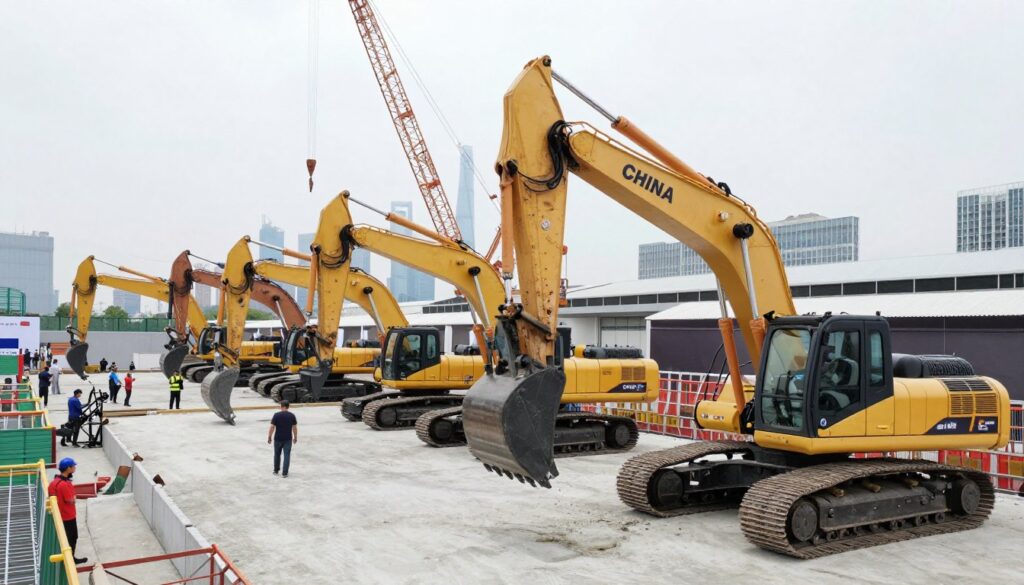
Construction Machinery Platform
bauma CHINA represents Asia’s leading exhibition for construction machinery, building material equipment, and mining machinery. As the Asian edition of Munich’s renowned bauma fair, this Shanghai event connects equipment manufacturers with China’s vast infrastructure and construction industries.
China’s construction sector consumes more cement than the rest of the world combined and drives massive demand for construction equipment. bauma CHINA provides access to this market alongside opportunities to source Chinese-manufactured machinery for export to other developing markets.
Exhibition Scale and Attendance
The 2018 edition attracted 212,500 visitors and 3,350 exhibitors. The 2020 event, despite pandemic impacts, still hosted 80,000 visitors and 2,867 exhibitors across approximately 300,000 square meters. These figures demonstrate the exhibition’s resilience and the industry’s importance to China’s economy.
Exhibition space divides between indoor halls and outdoor demonstration areas. Large earthmoving equipment, cranes, and concrete machinery require outdoor display space, where live demonstrations showcase equipment capabilities under operating conditions.
Product Categories
Construction Equipment
- Excavators and earthmoving machinery
- Cranes and lifting equipment
- Concrete machinery and trucks
- Road construction equipment
Components and Services
- Hydraulic systems and components
- Engines and powertrains
- Attachments and work tools
- After-market parts and services
Live Demonstrations and Technical Discussions
bauma CHINA’s outdoor areas facilitate operator-level equipment demonstrations. Potential buyers can observe machine performance, test controls, and discuss maintenance requirements with technical representatives. This hands-on evaluation accelerates purchase decisions for capital equipment.
Component suppliers should prepare technical discussions about maintenance intervals, parts availability, and service support. Chinese buyers prioritize total cost of ownership alongside initial purchase price, making after-sales capability an important competitive factor.
8. China International Medical Equipment Fair (CMEF)

Medical Technology Exhibition
The China International Medical Equipment Fair stands as China’s most comprehensive medical device and healthcare technology exhibition. CMEF occurs twice yearly, alternating between Shanghai and Shenzhen, providing access to China’s rapidly expanding healthcare market.
China’s aging population and healthcare system expansion create substantial demand for medical equipment. CMEF attracts hospital procurement departments, distributors, and healthcare administrators seeking everything from diagnostic imaging to basic consumables.
Exhibition Scope and Attendance
Recent CMEF editions report over 5,400 brands and 200,000 professional visitors across more than 320,000 square meters of exhibition space. The visitor base includes hospital administrators, department chiefs, distributors, and government healthcare officials.
The exhibition encompasses medical equipment across all specialties and price points. This breadth makes CMEF relevant for manufacturers ranging from advanced imaging equipment to basic diagnostic supplies.
Product Categories
- Medical imaging equipment (CT, MRI, ultrasound)
- Diagnostic instruments and laboratory equipment
- Hospital furniture and ward equipment
- Surgical instruments and operating room equipment
- Rehabilitation and physical therapy devices
- Digital health and telemedicine solutions
Regulatory Considerations
Medical device sales in China require NMPA (National Medical Products Administration) registration. CMEF exhibitors should prepare documentation showing registration status or provide clear timelines for obtaining approval. Many buyers specifically seek products with existing NMPA clearance to accelerate procurement.
Beyond regulatory compliance, exhibitors must demonstrate post-market surveillance capabilities, clinical evidence supporting product claims, and after-sales service infrastructure. Hospital buyers evaluate suppliers based on complete support ecosystems, not just product specifications.
Regulatory Support: CMEF organizers provide consultation zones where exhibitors can receive guidance on NMPA registration processes and connect with regulatory consulting firms specializing in medical device approvals.
9. China Beauty Expo (CBE)

Beauty and Cosmetics Platform
China Beauty Expo serves as Asia’s most influential beauty industry exhibition, encompassing cosmetic brands, OEM/ODM manufacturers, packaging suppliers, ingredient providers, and beauty technology. The Shanghai event occurs annually, attracting the complete beauty supply chain.
China’s cosmetics market ranks among the world’s largest, with domestic brands increasingly competing against international prestige brands. CBE provides access to this market dynamics, connecting brand owners with manufacturing capabilities and distributors with product sources.
Exhibition Composition
The 2024 CBE featured 3,223 exhibitors across 232,000 square meters with over 300 concurrent activities including fashion shows, product launches, and technical seminars. The exhibition divides into brand zones and manufacturing/supply chain zones, serving different attendee segments.
Finished Brands
Cosmetic brands showcase finished products to distributors, retailers, and e-commerce buyers. This zone facilitates brand discovery and distribution agreements.
OEM/ODM Manufacturers
Contract manufacturers display formulation capabilities, packaging options, and minimum order quantities for brands seeking production partners.
Ingredients and Packaging
Raw material suppliers and packaging manufacturers connect with formulators and brand developers seeking supply chain partners.
Regulatory and Formulation Considerations
China’s cosmetics regulations require product registration or notification depending on product category. CBE exhibitors should prepare regulatory dossiers including ingredient lists, safety assessments, efficacy test data, and manufacturing certifications.
Understanding China’s cosmetics regulations proves essential for successful market entry. The exhibition provides opportunities to consult with regulatory experts and identify testing laboratories capable of supporting registration requirements.
E-commerce and Digital Retail
CBE increasingly emphasizes digital commerce channels. Dedicated zones focus on social commerce, livestreaming, and influencer marketing strategies. These areas reflect the importance of online channels in China’s beauty market, where platforms like Tmall, JD.com, and Douyin drive significant sales volume.
10. SIAL Shanghai – International Food and Beverage Exhibition
Food and Beverage Trade Platform
SIAL Shanghai represents Asia’s largest food and beverage exhibition, covering the complete F&B supply chain from agricultural products to finished consumer goods. This annual Shanghai event connects international food exporters with Chinese importers, distributors, retailers, and HORECA buyers.
China’s rising middle class drives increasing demand for imported food products and premium domestic offerings. SIAL Shanghai facilitates market entry for international brands while providing Chinese producers access to export opportunities and international partnerships.
Exhibition Scale and Impact
SIAL Shanghai 2024 recorded 175,739 visitors and approximately 5,000 exhibitors. The exhibition attracts serious buyers including importers, supermarket chains, online grocery platforms, restaurant groups, and hotel procurement departments.
The exhibition’s strength lies in its buyer quality. Procurement professionals attend with specific sourcing objectives and budget authority, creating efficient business development opportunities for exhibitors compared to consumer-oriented food festivals.
Product Categories
- Fresh and frozen foods
- Beverages including wine, spirits, and non-alcoholic drinks
- Packaged and processed foods
- Organic and health-focused products
- Food ingredients and additives
- Food service equipment and supplies
Market Entry and Labeling Requirements
Food imports to China require compliance with GB (Guobiao) national standards for labeling and food safety. SIAL exhibitors should prepare Chinese-language labels, shelf-life testing documentation, and import registration materials. Many buyers request samples for testing before placing orders.
Cold chain logistics represent a critical consideration for perishable products. Exhibitors should discuss temperature-controlled distribution capabilities and understand China’s expanding cold chain infrastructure when negotiating with potential distributors.
Tasting and Demonstration Areas
SIAL Shanghai provides cooking demonstration stages and tasting areas where exhibitors can showcase products in prepared form. Live tastings consistently generate higher engagement and lead capture compared to static displays in the food and beverage sector.
Sampling Strategy: Reserve demonstration kitchen slots early as they fill quickly. Prepare tasting portions that highlight product quality while respecting Chinese flavor preferences. Include bilingual product information cards for visitors to take away.
Choosing the Right Trade Show for Your Business

Alignment with Business Objectives
Selecting appropriate China trade fairs requires clear understanding of your business objectives. Different exhibitions serve distinct purposes: sourcing products, entering markets, conducting competitive intelligence, or building brand awareness. Matching show characteristics to your specific goals maximizes return on investment.
Consider your position in the supply chain. Manufacturers seeking buyers should prioritize Canton Fair and CIIE. Component suppliers targeting OEMs benefit from industry-specific shows like CIIF, CHINAPLAS, or Auto Shanghai. Service providers and technology companies find value in MWC Shanghai or specialized sector exhibitions.
Buyer Demographics and Decision Authority
Evaluate the typical attendee profile for each show. Some exhibitions attract primarily procurement professionals with purchasing authority, while others see broader attendance including consultants, researchers, and casual browsers. Higher concentrations of decision-makers improve conversion efficiency.
Review exhibitor feedback and attendance reports published by show organizers. Quality metrics matter more than raw visitor counts. An exhibition with 50,000 qualified buyers outperforms one with 200,000 mixed attendees when measuring business outcomes.
Timing and Frequency Considerations
Many major China trade shows occur during spring (March-May) and autumn (September-November) seasons. These timing clusters reflect favorable weather and avoid summer heat and winter cold. However, this concentration creates scheduling challenges when multiple relevant shows occur simultaneously.
Spring Season Shows
- Canton Fair (April)
- Auto Shanghai (April, biennial)
- CHINAPLAS (varies, typically spring)
Autumn Season Shows
- Canton Fair (October)
- CIIE (November)
- CIIF (September)
- bauma CHINA (November, biennial)
Multiple Sessions Annually
- CMEF (Spring and Autumn)
- CBE (May and November)
- Various regional exhibitions
Budget and Resource Planning
Attending China trade fairs requires substantial investment in travel, accommodation, booth space (if exhibiting), materials, and staff time. Smaller regional shows offer lower entry costs but reduced attendance and visibility. Major national shows command premium pricing but deliver concentrated market access.
First-time attendees should consider visiting as buyers before committing to exhibition space. This reconnaissance approach provides insights into show dynamics, competitor presence, and buyer quality before making larger exhibiting investments.
Practical Preparation and Success Strategies
Pre-Show Planning Essentials
Success at China trade fairs begins months before arrival. Thorough preparation separates productive visits from wasted opportunities. Create detailed action plans covering logistics, target contacts, technical preparation, and follow-up systems.
Three Months Before
- Register for exhibition and secure accommodation
- Research exhibitors and create target contact lists
- Prepare technical documentation in Chinese
- Arrange business visa and travel logistics
- Book meeting appointments with key contacts
One Month Before
- Finalize meeting schedule and booth visits
- Prepare samples and marketing materials
- Brief team members on objectives and protocols
- Arrange local transportation and interpreters
- Set up mobile payment and communication tools
Language and Communication
While major international exhibitions provide English-language support, technical discussions benefit greatly from Mandarin capability. Consider hiring professional interpreters with industry-specific vocabulary rather than relying on exhibitor-provided translators.
Prepare bilingual materials including product specifications, company presentations, and business cards. Chinese business culture values exchange of business cards; order sufficient quantities with Chinese translation on the reverse side.
Technology and Connectivity
China’s digital infrastructure operates differently from Western markets. Prepare mobile devices with VPN access if your business requires connection to blocked services. WeChat and Alipay dominate Chinese mobile payments; setting up these platforms facilitates purchases and demonstrates market familiarity.
Exhibition venues typically provide WiFi, but bandwidth can be limited during peak hours. Consider purchasing local SIM cards with data plans for reliable connectivity. Many hotels and airports sell prepaid tourist SIM cards compatible with international phones.
Follow-Up Systems
Effective follow-up separates successful trade fair participation from expensive tourism. Implement systematic lead capture during the show using digital tools or structured paper forms. Record specific details about each contact: product interests, volume requirements, timeline, and next steps.
Send initial follow-up communications within 48 hours while your conversation remains fresh in contacts’ memory. Chinese business culture appreciates prompt responsiveness. Include specific references to your discussion and clear action items for next steps.
Essential Business Package
Pre-show consultation, exhibitor research, meeting scheduling assistance, and basic logistics coordination.
- Target exhibitor identification
- Meeting appointment scheduling
- Accommodation recommendations
- Basic interpretation guide
Complete Market Entry Package
Comprehensive support including on-site accompaniment, professional interpretation, factory visit arrangements, and regulatory consultation.
- Everything in Essential Package
- On-site accompaniment and interpretation
- Factory visit coordination
- Regulatory compliance consultation
- Sample shipping arrangements
Full-Service Exhibition Package
End-to-end exhibition management for companies exhibiting at China trade fairs, including booth design, staffing, and lead management.
- Everything in Complete Package
- Booth design and construction
- Bilingual booth staff
- Marketing materials production
- Post-show lead qualification
- Follow-up campaign management
Frequently Asked Questions About China Trade Fairs
How far in advance should I register for China trade fairs?
Register at least 2-3 months before the event. Major shows like Canton Fair and CIIE offer early bird registration discounts. Early registration also facilitates visa application processes, as organizers provide invitation letters needed for business visa applications. Accommodation near exhibition venues fills quickly, with prices increasing as dates approach.
Do I need a business visa to attend trade shows in China?
Yes, most foreign nationals require visas for China entry. Business (M) visas are appropriate for trade fair attendance. Exhibition organizers provide invitation letters supporting visa applications. Apply through Chinese embassies or consulates in your country at least one month before travel. Some nationalities may qualify for visa-free transit under specific conditions, but business visas remain recommended for trade fair attendees.
What is the typical cost to exhibit at major China trade fairs?
Exhibition costs vary significantly by show prestige and booth size. Standard 9-square-meter booths at major shows like Canton Fair typically cost ,000-,000 USD. This includes basic shell scheme construction. Custom booth builds cost substantially more. Additional expenses include electricity, WiFi, furniture rental, marketing materials, and staff accommodation. First-time exhibitors should budget ,000-,000 for comprehensive participation at major shows.
How effective are interpreters provided by trade fair organizers?
Quality varies considerably. Major international exhibitions provide adequate general interpretation, but technical discussions benefit from specialized interpreters. For critical negotiations or complex products, hire professional interpreters with industry-specific vocabulary. Daily rates for experienced business interpreters range from 0-0 USD depending on qualifications and language pairs. This investment pays dividends in communication accuracy and business outcomes.
Can I visit factories during trade fair trips?
Yes, factory visits complement trade fair attendance effectively. Many suppliers welcome facility tours, though advance scheduling is essential. Plan factory visits before or after the main show dates rather than during, as supplier staff focus on their booths during exhibition hours. Professional sourcing services arrange factory visit logistics including transportation, interpretation, and technical evaluation support.
What payment methods work at China trade shows?
Mobile payment dominates Chinese commerce. WeChat Pay and Alipay account for most transactions. International visitors can link credit cards to these platforms for convenience. Exhibition vendors increasingly accept international credit cards, though cash (Chinese Yuan) remains useful. ATMs near exhibition venues provide currency access. Avoid exchanging money at hotels due to unfavorable rates; use bank ATMs instead.
How do I handle samples and product documentation at customs?
Importing samples temporarily requires ATA Carnets or temporary import bonds. Work with exhibition organizers’ designated freight forwarders who understand Chinese customs procedures. Provide detailed product descriptions, quantities, and declared values. For samples you’ll take back, maintain carnet documentation. Some shows allow donated samples; coordinate disposal with organizers rather than attempting to discard items independently.
What follow-up timeline generates best results after China trade fairs?
Send initial follow-up within 48 hours while your conversation remains fresh. Include specific discussion references and clear next steps. Chinese business culture appreciates prompt responsiveness. Schedule follow-up calls or video meetings within one week. Send requested samples or documentation within two weeks. Maintain regular contact at two-week intervals for active opportunities. Persistence matters in Chinese business culture; decisions often require multiple touchpoints.
Conclusion: Maximizing China Trade Fair Opportunities
China’s trade fair ecosystem offers unparalleled access to the world’s largest manufacturing base and consumer market. The top 10 trade shows reviewed in this guide represent concentrated opportunities to accomplish in days what might otherwise require months of research, travel, and relationship building.
Each exhibition serves distinct industry sectors and business objectives. The Canton Fair provides comprehensive product sourcing across categories. CIIE opens doors for exporters entering China’s import market. Specialized shows like CHINAPLAS, CMEF, and Auto Shanghai deliver deep industry focus for targeted business development.
Success requires moving beyond passive attendance to strategic engagement. Pre-show preparation, clear objectives, quality follow-up, and cultural awareness separate productive participation from expensive tourism. The business relationships formed at these exhibitions create lasting partnerships that drive international trade growth.
As China continues its economic evolution and market opening, trade shows will remain critical platforms for global business engagement. Companies that master navigation of China’s exhibition landscape gain competitive advantages in sourcing, market entry, and industry intelligence.
Whether you’re sourcing products, selling equipment, or expanding market presence, China’s top trade fairs provide the concentrated market access that accelerates business development. Choose exhibitions aligned with your objectives, prepare thoroughly, and engage strategically to maximize return on your trade fair investment.