
What if the secret to international shipping success isn’t just about speed, but about mastering the paperwork dance with government agencies?
Many businesses face unexpected delays and fees when moving goods across borders. The customs journey can feel like a maze of regulations and requirements. This comprehensive guide will walk you through every aspect of navigating international trade successfully.
You’ll discover practical strategies for preparing documentation and working with authorities. Whether you’re a first-time importer or an experienced logistics professional, this guide provides actionable insights to streamline your operations.
We cover everything from pre-shipment preparation to post-arrival procedures. Following our step-by-step instructions helps you avoid common pitfalls that cause costly delays. Modern digital tools can also simplify this journey, making it more efficient.
Understanding these procedures thoroughly helps you make informed decisions and maintain positive relationships with regulatory agencies.
Key Takeaways
- Mastering customs requirements prevents unexpected delays and fees
- Proper documentation preparation is essential for smooth international shipping
- Digital tools can significantly simplify the customs journey
- Building positive relationships with government agencies pays long-term dividends
- Understanding security protocols protects your shipments and business
- Different countries have unique regulatory frameworks to navigate
- Continuous learning about trade regulations keeps your operations compliant
Introduction to the Customs Clearance Process
The journey of goods across borders involves a crucial verification stage that protects national interests while facilitating commerce. This official authorization procedure ensures compliance with laws, regulations, and trade agreements.
Think of this system as similar to security clearance procedures used by the federal government. Just as personnel undergo background checks for access to classified information, international shipments undergo thorough documentation review.
The procedure requires coordination between multiple parties. Importers, exporters, customs brokers, and government agencies all play essential roles. Each contributes vital information to ensure smooth operations.
Understanding this balance between security concerns and trade facilitation helps you approach international shipping with the right mindset. Every authorization follows a structured sequence to verify goods legitimacy and assess applicable duties.
By grasping these foundational concepts early, you’ll be better equipped for the detailed requirements covered in subsequent sections. This knowledge forms the bedrock of successful international trade operations.
Understanding Clearance Requirements
Before your shipment can cross any border, there’s a critical preparation phase that determines whether your goods will move smoothly or face delays. This stage involves gathering the right paperwork and meeting specific qualifications.
Think of it like applying for a job that needs security clearance. The government wants complete background information to ensure trustworthiness. International trade works similarly.
Documentation Checklist
Every applicant must prepare specific documents. Your checklist should include commercial invoices, packing lists, and certificates of origin. Some items may need special permits.
Just like the standard form SF86 used for personnel vetting, customs requires detailed disclosure. You’ll need to provide accurate descriptions, values, and intended uses for all goods.
| Document Type | Purpose | When Required |
|---|---|---|
| Commercial Invoice | Value declaration | All commercial shipments |
| Certificate of Origin | Country verification | Trade agreement benefits |
| Packing List | Content details | All shipments |
| Special Permits | Restricted items | Specific product categories |
Eligibility Criteria and Guidelines
Meeting eligibility standards is crucial. Your goods must comply with safety regulations and labeling requirements. Some products face additional scrutiny.
An applicant must demonstrate compliance history and financial responsibility. This builds credibility with authorities. Different countries have unique rules.
“Proper preparation prevents poor performance in international trade. The right documents make all the difference.”
Understanding which systems require access helps avoid delays. Some submissions need specialized platforms. Planning ahead saves time and frustration.
Customs Regulations and Compliance
Think of customs regulations as the rulebook for international trade, with government agencies acting as the referees. These rules create a legal framework that everyone must follow. Compliance is not a suggestion—it’s a strict requirement.
This system protects national security and ensures fair business practices. Following the rules keeps your shipments moving and avoids legal trouble.
Role of Customs Authorities
Customs authorities are the primary government bodies enforcing trade laws. Their job goes far beyond checking boxes. They conduct physical inspections, assess duties, and have the power to launch a full investigation.
They use advanced systems to analyze risk. If the provided information seems incorrect, they will dig deeper. Their goal is to stop illegal goods while allowing legitimate trade to flow smoothly.
Just as multiple U.S. agencies like the Department of Defense or Homeland Security handle personnel security, different agencies oversee specific products. Your food shipment might need approval from the Department of Agriculture, while pharmaceuticals involve health agency oversight.
| Agency Type | Primary Focus | Common Goods Involved |
|---|---|---|
| Customs and Border Protection (CBP) | Overall import/export enforcement | All commercial shipments |
| Food and Drug Administration (FDA) | Health and safety standards | Food, drugs, medical devices |
| Department of Agriculture (USDA) | Agricultural products | Plants, animals, organic goods |
| Bureau of Alcohol, Tobacco, Firearms and Explosives (ATF) | Controlled items | Alcohol, firearms, explosives |
Building a trustworthy relationship with these authorities is key. Accurate paperwork and transparency make every clearance experience faster and more reliable.
Clearance Process: Navigating the Steps
International shipments undergo a multi-stage evaluation similar to personnel vetting procedures used by government agencies. This systematic approach ensures every item meets regulatory standards before crossing borders.
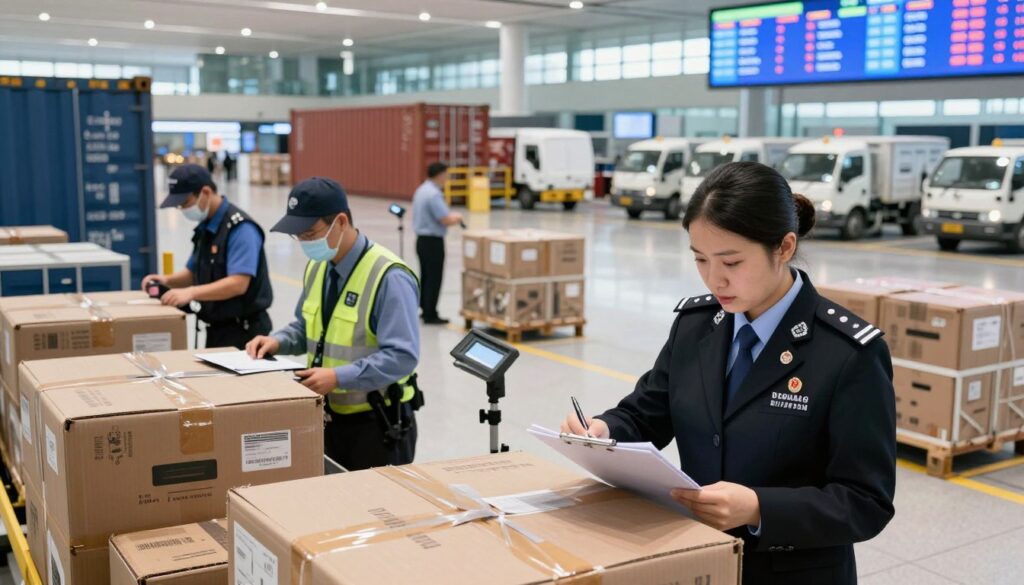
The journey begins when goods arrive at entry points or prepare for export. Customs authorities immediately start reviewing documentation and declarations. They verify accuracy against existing regulations and restrictions.
Much like the security clearance process involving application, investigation, and adjudication phases, customs follows a structured sequence. Each step builds upon the previous one. Satisfactory completion is required before advancing to the next stage.
During the examination phase, officials may conduct physical inspections of goods. They verify values, classifications, and cross-reference intelligence databases. Specialized products often require coordination with other government agencies.
If discrepancies arise, authorities request additional information or corrective action. Prompt responses and clear communication facilitate smoother progression. Understanding established timelines helps set realistic expectations for your logistics operations.
This phased approach protects national security while facilitating legitimate trade. Cooperation with authorities throughout each stage demonstrates your commitment to compliance.
Preparing Your Documentation for Customs
Your paperwork forms the backbone of every successful international shipment. Getting it right from the start prevents costly delays and headaches. Meticulous attention to detail is your best strategy.
Begin by gathering all essential paperwork for your specific goods. You will need a commercial invoice and a customs declaration form. Special items may require additional certificates.

Accuracy is non-negotiable. Ensure all information matches perfectly across every document. Discrepancies between your invoice and packing list trigger extra scrutiny.
Use standardized Harmonized System (HS) codes to classify your products. These codes determine duty rates and identify any special regulations. Correct classification is a critical step.
Supporting documents provide vital background on your goods. These can include certificates of origin or safety test results. Having them ready speeds up the authorization.
Implement a final check before submission. Verify calculations, signatures, and that all attachments are included. This simple habit catches errors early.
Digital submission is now the standard for clearance. Familiarize yourself with electronic platforms. Ensure your files are in acceptable formats with clear, legible text.
| Document Type | Primary Purpose | Key Details to Include |
|---|---|---|
| Commercial Invoice | Value Declaration | Product description, quantity, unit price, total value |
| Packing List | Content Verification | Item weights, dimensions, package counts |
| Certificate of Origin | Trade Agreement Eligibility | Country of manufacture, exporter details |
| Customs Declaration Form | Official Submission | HS codes, shipper/importer details, declared value |
Step-by-Step Guide to Getting Customs Clearance
Much like employment in sensitive government positions requires proper sponsorship, international shipments need official representation. This structured approach breaks the authorization journey into manageable stages.
Pre-Clearance Preparation
Before goods arrive at the border, thorough preparation is essential. Confirm all documentation is complete and accurate. Verify that your items comply with applicable regulations.
Ensure any required pre-approvals or permits have been obtained. This phase resembles how a security clearance applicant must be sponsored by an agency. Your designated representative takes responsibility for compliance.
Post-Clearance Procedures
After approval, several important steps remain. Payment of assessed duties and fees comes first. Then arrange for release and delivery of your goods.
Maintain required records for the specified retention period. Address any post-entry amendments if errors emerge later. This ongoing diligence ensures long-term compliance.
| Phase | Key Activities | Timeline |
|---|---|---|
| Pre-Clearance | Document verification, compliance check, permit acquisition | Before shipment arrival |
| Clearance Process | Document submission, duty assessment, inspection determination | Upon arrival at port |
| Post-Clearance | Fee payment, goods release, record maintenance | After approval granted |
Following this structured approach ensures nothing gets overlooked. It positions you to handle each stage efficiently while meeting all requirements.
Navigating Security and Background Checks
Your business background matters just as much as your shipment details when crossing international borders. Customs authorities conduct thorough background investigations on all parties involved in international transactions.
These verification procedures examine your compliance history and screen against multiple databases. The goal is to identify potential risks before they become problems.
Similar to personnel vetting, customs security checks may include financial stability reviews and past violation assessments. Companies with clean records typically experience smoother transactions.
Enhanced screening applies to high-risk goods or parties with limited trading history. Authorities may request additional documentation or conduct interviews when concerns arise.
| Verification Type | Purpose | Common Methods |
|---|---|---|
| Business Legitimacy | Confirm legitimate operations | Site visits, registration checks |
| Compliance History | Assess risk level | Database screening, past record review |
| Financial Stability | Evaluate reliability | Credit checks, financial statements |
| Security Screening | Identify threats | Watchlist comparisons, partner verification |
Maintaining transparent operations and clean compliance records pays dividends. Cooperative responses to information requests build trust with authorities over time.
Federal Guidelines and Regulatory Framework
The legal foundation for international trade operates within a structured hierarchy of federal authority that ensures consistent enforcement nationwide. This framework includes statutes from Congress, regulations from government agencies, and presidential executive orders.
Similar to how Executive Order 13869 transferred investigation responsibilities between federal government departments, various orders periodically update customs procedures. Understanding this regulatory hierarchy helps identify which rules apply to your specific situation.
These guidelines establish comprehensive procedures for classification, valuation, and duty applications. They also outline rights for challenging decisions and appealing penalties. The system operates under specific legal authorities like 5 CFR 731.202.
Thirteen adjudicative guidelines govern assessment decisions, covering areas like allegiance to the United States, foreign influence, and financial considerations. Compliance demonstrates commitment to lawful trade practices.
Regulatory frameworks evolve with changing security threats and technological advances. Staying current with requirements strengthens credibility with customs authorities and ensures smooth operations.
Tips for Avoiding Delays in the Clearance Process
The difference between smooth sailing and frustrating delays often comes down to attention to detail in your paperwork. Getting it right from the start saves time and prevents headaches.
Common Pitfalls
Many delays stem from simple but costly mistakes. Incomplete forms and vague product descriptions trigger extra scrutiny.
Classification errors and valuation discrepancies are frequent problems. Authorities will launch an investigation if numbers don’t match across documents.
Forgetting to declare restricted items causes major hold-ups. Always provide complete information about your goods’ origins and materials.
Streamlining Processing Times
Submit your documents well before shipment arrival. Electronic filing systems speed up the review process significantly.
Maintain organized records for quick responses to requests. Experienced brokers understand how to use efficient procedures.
Building relationships with customs officials over the years pays off. Consistent compliance leads to faster clearance times.
Review everything carefully before submission. Catching errors early prevents delays during the security check phase.
Effect of International Treaties on Customs Clearance
International agreements function like special keys that unlock faster, more affordable customs procedures. These treaties create cooperative frameworks between nations that significantly reshape border operations.
Free trade pacts like the USMCA offer substantial benefits for qualifying goods. To access reduced duties, you must provide specific documentation proving origin. This requires detailed information about your products’ manufacturing journey.
Mutual recognition agreements are another powerful tool. Participating countries accept each other’s certifications and security assessments. This eliminates redundant checks and speeds up the clearance journey significantly.
The World Trade Organization establishes baseline standards that member nations follow. These guidelines promote consistency in how government agencies handle international shipments. Understanding these global frameworks helps you navigate different countries’ requirements.
Specialized treaties exist for specific industries like pharmaceuticals or agriculture. These agreements create tailored procedures that address unique security concerns. Staying current with treaty changes ensures you maintain compliance and optimize operations.
“Trade agreements transform border crossings from obstacles into opportunities for businesses that understand the rules.”
Regularly monitoring treaty developments helps you anticipate changes affecting your access to preferential treatment. This proactive approach keeps your international shipping smooth and cost-effective.
Working with Customs Brokers Effectively
Partnering with the right customs broker can transform your international shipping experience from stressful to streamlined. These licensed professionals specialize in navigating complex border procedures on your behalf.
Customs brokers possess valuable expertise that significantly reduces compliance risks. They have established relationships with government agencies and understand specific requirements.
Selecting the right broker is crucial. Look for someone with experience handling your specific product types and countries. Not all professionals have equal expertise across different commodities.
Provide complete and accurate information about your goods and transaction details. Your broker can only represent you effectively when fully informed about your shipment.
Establish clear communication protocols from the start. Define how often you’ll receive updates and what decisions require your approval. Quick responses to information requests keep things moving smoothly.
Remember that brokers act as your legal agent before customs authorities. Their actions are legally attributable to your business. This makes working with trustworthy professionals essential.
Leverage your broker’s knowledge by asking questions about classification decisions. Seek advice on compliance strategies for future transactions. Their guidance can optimize your clearance efficiency.
Maintain your own understanding of requirements even when using a broker. While they handle procedural details, ultimate responsibility for compliance remains with you.
Digital Tools and Online Submission for Clearance Applications
The digital revolution has transformed customs clearance from a paper-heavy chore into a streamlined electronic process. Modern platforms make border crossings faster and more transparent than ever before.
These systems provide real-time updates and instant confirmation of submissions. You can track your application’s progress through every stage.
E-filing and Document Tracking
Electronic filing systems eliminate delays from physical document handling. They validate your information in real-time and catch errors early.
Similar to security clearance platforms like eApp, customs e-filing streamlines data entry. You receive automated notifications when action is needed.
Leveraging Technology for Efficiency
Advanced information technology tools suggest proper classification codes automatically. They estimate costs before submission and identify potential compliance issues.
Digital systems give you access to historical data for pattern analysis. This helps refine your procedures and improve future performance.
Electronic record-keeping satisfies regulatory requirements while enabling quick document retrieval. It’s essential for post-clearance audits and maintaining consistency across transactions.
Preparing for Your First Customs Inspection
Your first encounter with customs inspectors offers a valuable opportunity to demonstrate your commitment to proper international trade practices. This examination serves as the ultimate verification that your documentation and goods align perfectly with regulatory requirements.
Inspections can range from simple document reviews to comprehensive physical examinations. Understanding what triggers deeper scrutiny helps you prepare appropriately for each scenario.
Inspection Best Practices
Package your goods thoughtfully to facilitate easy examination and repacking. Clear labeling that matches your paperwork is essential for smooth verification.
Organize supporting documents in logical order matching your declarations. This allows quick access to certificates and test results when inspectors request specific information.
Customs officials have extensive access to databases containing typical values and common compliance issues. Attempting to conceal information will likely be detected during their security review.
Field investigators may examine various aspects of your shipment. They verify physical condition, labeling compliance, and safety certifications.
Facility inspections can occur at business locations rather than ports. Companies with special programs or under review should prepare records and staff for these visits.
Maintain a cooperative attitude during examinations. Honest responses and respect for inspector positions facilitate smoother interactions. This professional approach can positively influence outcomes.
Proper preparation transforms inspections from stressful events into opportunities to showcase your compliance commitment. Each successful examination builds credibility for future clearance operations.
Developing a Compliance Strategy for Import/Export
A well-designed compliance strategy serves as your company’s roadmap through the complex world of import/export regulations. This approach transforms customs clearance from a series of transactions into a systematic business operation.
Your strategy should address organizational structure, documented procedures, and staff training. Technology solutions support these efforts effectively.
Risk Management Techniques
Identify potential compliance vulnerabilities in your operations. Assess the likelihood and impact of violations before they occur.
Implement controls to prevent, detect, and correct issues early. This proactive approach minimizes penalties and clearance delays.
Continuous Monitoring Approaches
Regular internal audits and documentation reviews are essential. Track regulatory changes affecting your products consistently.
Analysis of processing times helps identify emerging trends. This ongoing vigilance maintains your security posture over the years.
| Strategy Component | Key Focus Areas | Implementation Timeline |
|---|---|---|
| Organizational Structure | Responsibility assignment, reporting lines | Initial setup (1-2 months) |
| Policies & Procedures | Documentation standards, workflow processes | Ongoing development |
| Training Programs | Staff education, competency assessment | Quarterly updates |
| Technology Solutions | Digital tools, tracking systems | Phased implementation |
Document your decision-making processes thoroughly. This demonstrates thoughtful consideration during any investigation.
Overcoming Common Challenges in the Clearance Process
Even the most prepared businesses can hit unexpected roadblocks when moving goods internationally. Documentation errors, classification disputes, and communication gaps often cause frustrating delays.

When challenges arise, proactive problem-solving makes all the difference. Maintain open communication with authorities and have backup documentation ready. Building relationships with experts helps navigate complex situations.
| Common Challenge | Potential Impact | Recommended Solution |
|---|---|---|
| Documentation Errors | Extended processing time | Implement quality checks before submission |
| Classification Disputes | Duty assessment issues | Seek formal rulings from authorities |
| Communication Gaps | Missed deadlines | Establish multiple contact channels |
| Regulatory Changes | Compliance violations | Monitor updates regularly |
Financial disputes over duty assessments can strain cash flow. Payment plans and bonding options provide flexibility during difficult periods. Understanding appeal rights protects your interests when decisions seem incorrect.
Each challenge offers learning opportunities for strengthening your compliance program. Conduct post-incident reviews to identify root causes. Share lessons learned across your organization to prevent recurrence.
Final Strategies for a Successful Customs Clearance
Successful international trade operations mirror the reliability standards expected of personnel granted access to sensitive government facilities. Just as security clearances have three distinct levels, customs procedures operate on multiple tiers of complexity.
Different government agencies handle specialized products, much like various departments manage classified information. Understanding which authority oversees your goods prevents unnecessary delays.
Treat each customs clearance as an opportunity to demonstrate your commitment to compliance excellence. Consistent performance builds trust over time, similar to maintaining security credentials.
Remember that temporary setbacks don’t define your long-term success. With proper documentation and persistent effort, you can overcome most challenges in the customs process.