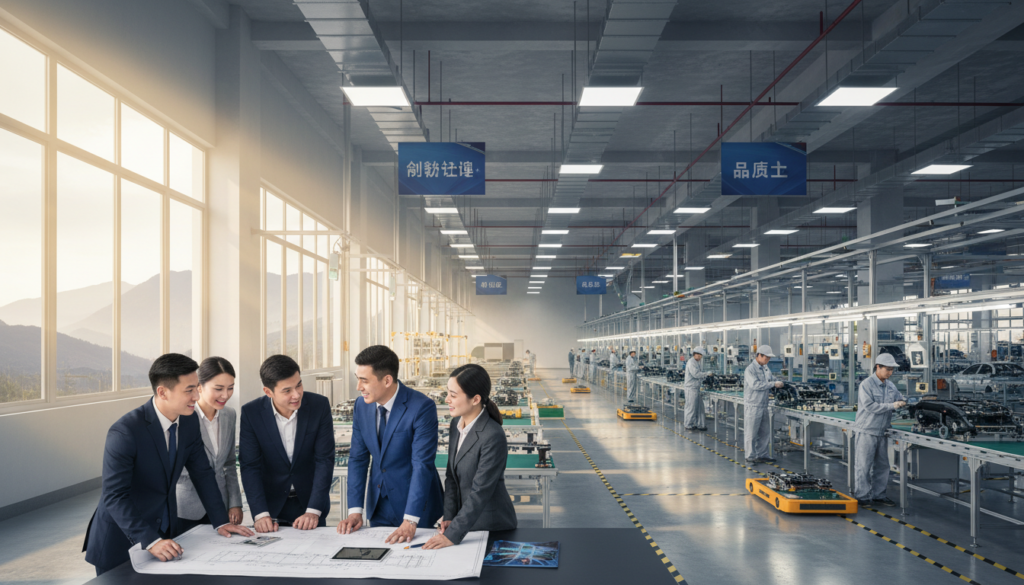

Starting your journey to source products overseas can feel daunting. I know that first step into a new market is often the hardest. Breaking the process into clear, manageable steps makes it much more achievable for any business.
China’s manufacturing landscape is vast and diverse. Known as “the world’s factory,” it offers incredible capabilities across countless industries. Events like the Canton Fair, which recently attracted over 310,000 international buyers, highlight the scale of opportunity.
My goal with this guide is simple. I want to walk you through a systematic approach for identifying trustworthy manufacturing partners. You’ll learn practical methods and insider tips that build confidence.
By the end, you’ll have a clear roadmap. This strategy will help your company build lasting partnerships and improve your overall product sourcing.
Key Takeaways
- China’s manufacturing sector is enormous, offering competitive pricing across a wide range of product categories.
- A structured, step-by-step process is essential to navigate the sourcing landscape effectively.
- Verifying a supplier’s reliability is more critical than just finding the lowest price.
- Clear communication and understanding of business practices are key to successful partnerships.
- This guide provides actionable steps to evaluate manufacturers and manage the entire sourcing journey.
- With the right approach, tapping into this market can significantly benefit your business.
- Building a relationship with a dependable supplier is a long-term strategy for product success.
Understanding Your Manufacturing Needs
Before you even look at a supplier list, you must crystallize your product’s physical and functional details. This internal clarity is your most powerful tool. It streamlines communication and sets the stage for a successful partnership.
I always start by reviewing my full product line. Not every item is suitable for overseas production. I focus on mature products with stable designs and a long life cycle ahead.
Clarifying Product Specifications and Production Requirements
Clear specs are non-negotiable. I break them into two categories. Physical details cover materials, dimensions, weight, and finish. Functional requirements define performance, durability, and safety.
Starting with a narrow scope is smart. Choose one well-defined product with excellent drawings. This creates a quick, motivating win for your team.
Assessing Volume, Budget, and Scalability
Your order volume dictates the factory type you need. High-volume runs require large-scale production lines. Smaller batches need a specialist in flexible, low-MOQ work.
Budget evaluation is crucial early on. While competitive pricing is attractive, my company often chooses value. A slightly higher cost can mean far better quality and fewer headaches.
Plan for your business to grow. Forecast demand and select a partner with the capacity to scale alongside you. This foresight prevents a painful factory transition later.
| Specification Type | Key Components | Impact on Production |
|---|---|---|
| Physical Specifications | Materials, Dimensions, Weight, Surface Finish | Directly determines raw material sourcing, tooling needs, and final product form. |
| Functional Specifications | Performance, Durability, Usability, Safety Standards | Guides testing protocols, quality control checks, and overall product reliability. |
Structuring Your Product Specifications
Clear, detailed specifications are your primary defense against production errors. Outdated information leads directly to costly mistakes. I treat my product documentation as a critical project asset.

Defining Materials, Dimensions, and Technical Standards
I always define every detail in writing. This includes precise materials, exact dimensions, weight, and surface finish. Technical standards for performance and safety are non-negotiable.
Verbal promises hold no weight during overseas production. A written spec sheet is your contract. It enables accurate cost estimates and prevents unexpected expenses.
Ensuring Clear Communication to Potential Suppliers
Visual aids are powerful tools. I use diagrams and photos alongside written text. This bridges language gaps and ensures my design intent is understood.
When I send an email inquiry, I keep it focused. Short sentences and one topic per message work best. I attach clean, revised drawings and a summary spec sheet.
This structured approach to information sharing builds trust. It shows suppliers you are serious about quality. It sets the stage for a smooth development process.
Leveraging Online Sourcing Platforms
Digital marketplaces have revolutionized the way businesses connect with production partners. These portals are an efficient starting point for your sourcing efforts. They provide immediate access to a vast network of potential suppliers.
Exploring Alibaba, Global Sources, and Made-in-China
Major B2B sites like Alibaba, Global Sources, and Made-in-China are primary hubs. They host thousands of companies across countless industries. This makes comparing options straightforward.
I always use very specific terms in my search. For example, “brass die cast drawer locks” yields better results than “brass locks.” This saves a lot of time.
Platform badges like “Gold Supplier” are useful filters. They should not be the final word on trust. A paid membership does not confirm a company is a true factory.
Filtering by Ratings, Certifications, and Reviews
Use the built-in filters to narrow your list. Sort by ratings, years in business, and export experience. This research step is crucial.
Remember, traders and resellers are listed alongside manufacturers. Look for detailed profiles and comprehensive product listings. Clear contact information is a positive sign.
Platforms like MFG.com are great for custom work. Sites like 1688.com offer access to China’s domestic market. General search engines can supplement your platform work.
| Platform | Primary Focus | Key Verification Badge | Best For |
|---|---|---|---|
| Alibaba | General B2B, vast product range | Gold Supplier | Initial discovery, comparing many suppliers |
| Global Sources | Electronics & hardware | Verified Supplier | Niche products, established export companies |
| Made-in-China | Broad manufacturing directory | Audited Supplier | Identifying specialized manufacturers china |
Navigating Trade Fairs and Industry Events
Walking the aisles of a major industry event puts you directly in front of the people who build products. Trade shows offer a powerful, immersive way to evaluate potential partners. You can assess quality, discuss needs, and build rapport in real time.
Identifying Top Trade Shows Such as the Canton Fair
China’s Canton Fair is the giant. Held each April and October in Guangzhou, it features about 26,000 exhibitors. Recent sessions drew over 310,000 overseas buyers.
It’s an excellent starting point for many product categories. For niche needs, specialized trade fairs like the China Diecasting Fair are more targeted.
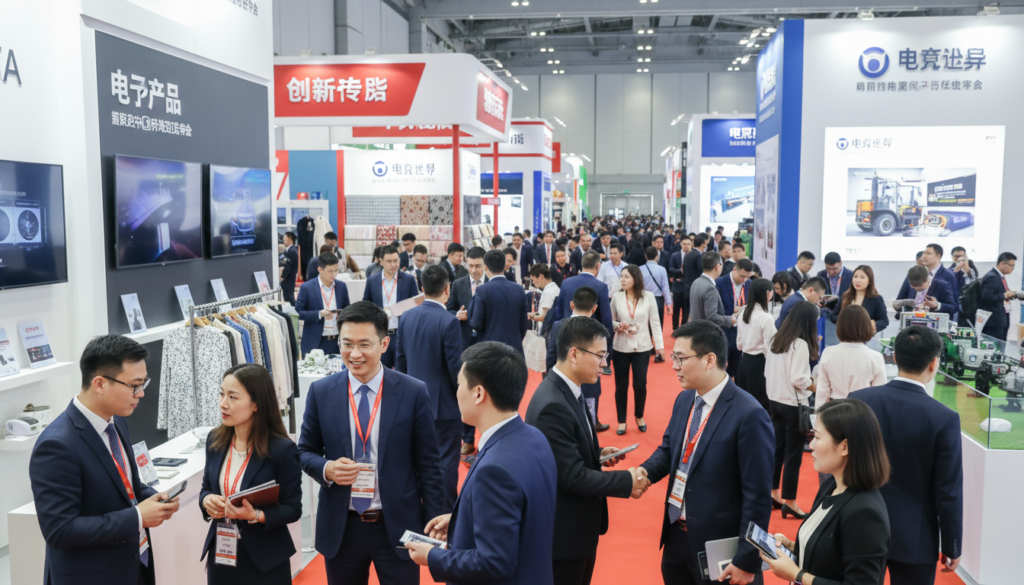
If traveling to China isn’t feasible, major U.S. shows like the National Hardware Show or IMTS also host Chinese manufacturers. The selection is smaller but still valuable.
Maximizing Face-to-Face Interactions and Networking Opportunities
Preparation is key. I research the exhibitor list and set clear goals before attending. I bring business cards and any product samples.
On the floor, I ask detailed questions and inspect samples closely. This direct interaction reveals a supplier‘s expertise and professionalism instantly.
I also network with other buyers to share insights. After the event, I follow up promptly with promising companies to schedule visits.
| Event | Location & Frequency | Focus & Scale | Best For |
|---|---|---|---|
| Canton Fair | Guangzhou, China; Twice yearly | Extremely broad; 26,000+ exhibitors | Initial discovery across many industries |
| China Diecasting Fair | Shanghai, China; Annual | Specialized; 450+ enterprises | Niche sourcing in metal casting |
| IMTS | Chicago, USA; Biennial | Advanced manufacturing technology | Finding tech-focused manufacturers |
Building and Utilizing Your Industry Network
Leveraging relationships within your field provides a trusted path to potential partners. Your professional network is a goldmine for actionable information. This approach often yields better results than cold online research alone.
I start by tapping my existing business contacts. Trade associations and local chambers of commerce are excellent resources. Fellow companies in your industry can offer candid referrals to proven suppliers.
LinkedIn is a powerful tool for expanding this network. You can search for manufacturer china profiles by location and specialty. Joining relevant industry groups there creates direct connections.
Facebook hosts active sourcing communities as well. Members share real experiences and recommendations openly. This peer feedback is an invaluable way to vet potential partners.
If you have contacts based in China, their local insight is priceless. They can help verify credentials and navigate cultural nuances. This personal introduction builds immediate trust.
I nurture these professional relationships consistently. A strong network becomes a lasting support system for all your business needs.
Engaging with Sourcing Agents
For many businesses, the decision to hire a sourcing agent marks a turning point in their international procurement strategy. This professional acts as your intermediary, connecting you with suitable manufacturers and managing the entire relationship.
They bring specialized expertise to the table. This can save you significant time and reduce risk.
Understanding the Role of a Sourcing Agent
A sourcing agent is your dedicated representative on the ground. They handle everything from initial research and factory evaluations to final quality checks and shipping.
Their deep network allows them to identify the right supplier for your specific product. This is far more efficient than cold calling dozens of manufacturers yourself.
| Service Area | With a Sourcing Agent | Self-Sourcing |
|---|---|---|
| Supplier Identification | Leverages established networks and regional knowledge for targeted matches. | Relies on platform searches and public directories; verification is manual. |
| Negotiation & Contracts | Uses local market insight to secure better pricing and favorable terms. | Direct negotiation without cultural or linguistic context can be challenging. |
| Quality Control | Provides on-site inspections and detailed reports before shipment. | Requires arranging third-party services or costly personal travel. |
| Logistics & Shipping | Manages complex documentation, customs, and ensures on-time delivery. | Demands significant internal administrative effort and coordination. |

Advantages of Partnering with Local Experts
The local knowledge of an agent is invaluable. They know which regions specialize in specific manufacturing.
For example, consumer electronics concentrate in Guangdong. Die casting and plastic molding thrive in Zhejiang province.
Established agencies like Sourcing Allies and SVI Global have years of experience. Their multicultural teams bridge language and cultural gaps perfectly.
While there is a cost, the money saved through better negotiations and avoided mistakes often makes it a net positive for your business. They become a true partner in your sourcing success.
Step-by-Step Guide: how to find reliable manufacturers in China
Your research phase culminates in the essential task of reaching out to potential production partners. I follow a clear, three-step system to transform raw leads into a qualified shortlist. This method saves time and focuses your effort on the most promising candidates.
Preparing your shortlist and sending inquiries
First, compile your initial list from the sources we’ve covered. This includes online platforms, trade show contacts, network referrals, or agent recommendations.
Next, craft a detailed inquiry. Specify your component type, required processes like die casting, and material specs. Clearly state your expected order volume and ask for a price quote.
A pro tip from my experience: create a dedicated email account for this outreach. Your inbox will be flooded with responses for months.
You should also ask each supplier key questions. Inquire about their specialization, years in business, and export experience to Western markets. Request their official MOQ and relevant certifications.
Be upfront if you need design or prototype development. Note that many factory owners are cautious about open-ended projects due to high time and cost demands.
Include these elements in your first contact:
- Detailed product specifications and technical drawings
- Your target production volume and MOQ requirements
- A request for their company profile and business licenses
- Questions about their export history and quality control process
This structured step filters your list effectively. You’ll identify manufacturers who are responsive, capable, and a potential fit. It sets the stage for the vital credential verification phase.
Evaluating Manufacturer Credentials and Quality Control
The difference between a successful partnership and a costly mistake often lies in a thorough evaluation of a factory’s credentials. This step confirms you are dealing with a real production facility, not a costly middleman.
Verifying Certifications, Business Licenses, and Production Capacity
I always request official business licenses and relevant certifications. These documents prove a company’s legal standing and technical expertise. Ask for VAT invoices and audited accounts for further verification.
Understanding regional specialization helps identify legitimate manufacturers. For example, die casting factories concentrate in Zhejiang province. A supplier claiming this specialty from another location may be a reseller.
Requesting product samples is non-negotiable. It allows you to assess quality firsthand. Also, ask detailed questions about their production capacity and manufacturing equipment.
Arranging Factory Visits or Third-Party Inspections
Nothing replaces seeing a factory in person. A visit reveals the facility’s organization, workforce, and quality control processes. You can often combine this with a trade show trip.
If travel isn’t possible, hire a third-party inspection service. A good sourcing agent can also conduct these verifications for you. This investment helps you find right partner and avoid future problems.
I can’t emphasize enough how critical the verification stage is—you absolutely must confirm that you’re dealing with an actual factory.
Define your quality requirements clearly. Implement a three-stage inspection process: pre-production samples, during-production checks, and a final pre-shipment audit. This system helps make sure your products meet all specifications.
Overcoming Common Sourcing Challenges
The last mile of securing a manufacturing partner involves tackling practical obstacles that can make or break the deal. Proactive strategies turn these hurdles into manageable steps.
Managing language, cultural, and communication barriers
I keep emails to my chinese suppliers simple. One topic per message with short sentences works best. Visuals like photos clarify my design intent far better than words alone.
For real-time updates, I use WeChat. Most manufacturers china prefer this platform. Scheduling calls within their business hours also gets faster replies.
Handling MOQs, pricing negotiations, and delivery logistics
Every factory has a minimum order quantity. Understanding this helps you find right partner. You can sometimes negotiate lower MOQs by accepting a higher per-unit cost.
I always start with samples before bulk production. This tests product quality and the supplier‘s capability. Getting quotes from multiple manufacturers china shows the true market rate.
Final logistics need attention. Choose between ocean or air freight based on time and budget. Understand customs duties to make sure your goods clear without surprise costs.
Conclusion
Successfully navigating China’s manufacturing landscape requires a blend of strategic insight and practical action. This guide has walked you through a proven system to connect with capable production partners.
I’ve shared multiple pathways for your sourcing efforts. Each method, from digital platforms to trade shows, helps build a robust shortlist. The real work begins with thorough verification.
Never skip checking a supplier‘s credentials or visiting their factory. This research phase protects your business and investment. Clear communication of your product vision is equally vital.
With patience and the right expertise, you can establish a profitable manufacturing relationship. I’m confident these steps will lead your company to long-term success.